A Complete Guide to Perfect Living Room Furniture Arrangement: 20 Expert Insights from CH Furniture
Arranging living room furniture is both an art and a science. It goes far beyond simply placing a sofa against the wall or centering a coffee table in front of it. A thoughtfully arranged living room enhances comfort, improves functionality, and reflects your personal style. Whether you are working with a compact apartment in Dubai or a spacious villa, understanding how to position furniture effectively can completely transform your space.
This guide from CH Furniture explores 20 expert-backed ideas to help you create a living room that feels balanced, inviting, and practical—without overwhelming you with rigid rules.
Understanding the Purpose of Your Living Room
Before moving a single piece of furniture, it’s important to define how the space will be used. A living room can serve multiple roles: entertaining guests, relaxing with family, watching television, or even doubling as a workspace. When the purpose is clear, furniture placement becomes more intentional.
For instance, if your living room is primarily for social gatherings, arranging seating in a conversational layout is essential. On the other hand, if it’s a family-focused space, comfort and accessibility should take priority. This foundational step ensures that every decision you make later aligns with your lifestyle.
Creating a Focal Point That Anchors the Room
Every well-designed living room has a focal point. This could be a television, a statement sofa, a large window with a view, or even a decorative wall feature. The arrangement of furniture should naturally guide attention toward this central element.
Positioning your main seating to face the focal point creates a sense of structure. If your room lacks a natural focal point, you can create one using artwork, lighting, or a bold furniture piece. The key is to avoid competing focal points, which can make the room feel cluttered and disorganized.
Balancing Proportions and Scale
One of the most common mistakes in furniture arrangement is ignoring scale. Oversized furniture in a small room can feel suffocating, while tiny pieces in a large room may look lost.
The goal is to create visual balance. A large sectional sofa, for example, should be complemented with proportionate tables and rugs. Similarly, spacing between pieces should allow for easy movement without leaving awkward gaps.
Ideal Furniture Scale Guide
|
Room Size
|
Recommended Sofa Type
|
Table Size
|
Layout Style
|
|---|---|---|---|
Prioritizing Natural Flow and Movement
A well-arranged living room should allow people to move freely without obstacles. Walkways should remain clear, and furniture should not block doors or windows.
Think of your living room as a pathway network. Each route—whether from the entrance to the seating area or from the sofa to the TV—should feel intuitive. Leaving at least 60–90 cm of walking space between major furniture pieces ensures comfort and accessibility.
Positioning Seating for Conversation
A living room should encourage interaction. Arranging seating too far apart or all facing one direction can limit conversation.
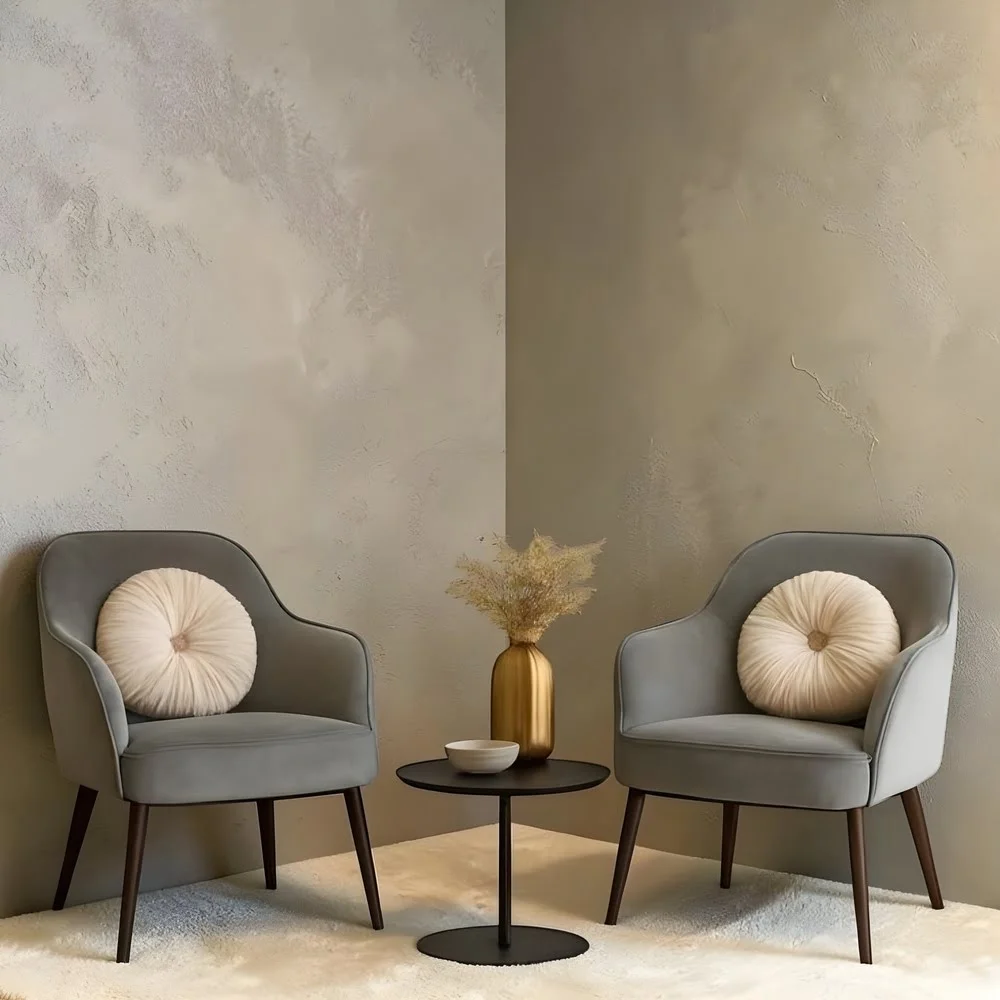
Instead, aim for a layout where sofas and chairs face each other or form a U-shape. This creates a more inviting and social environment. Even in smaller spaces, slight angles or paired seating can make a big difference.
Using Rugs to Define the Space
Rugs are more than decorative elements—they help define zones and unify furniture. A common mistake is choosing a rug that is too small, which can make the room feel disconnected.
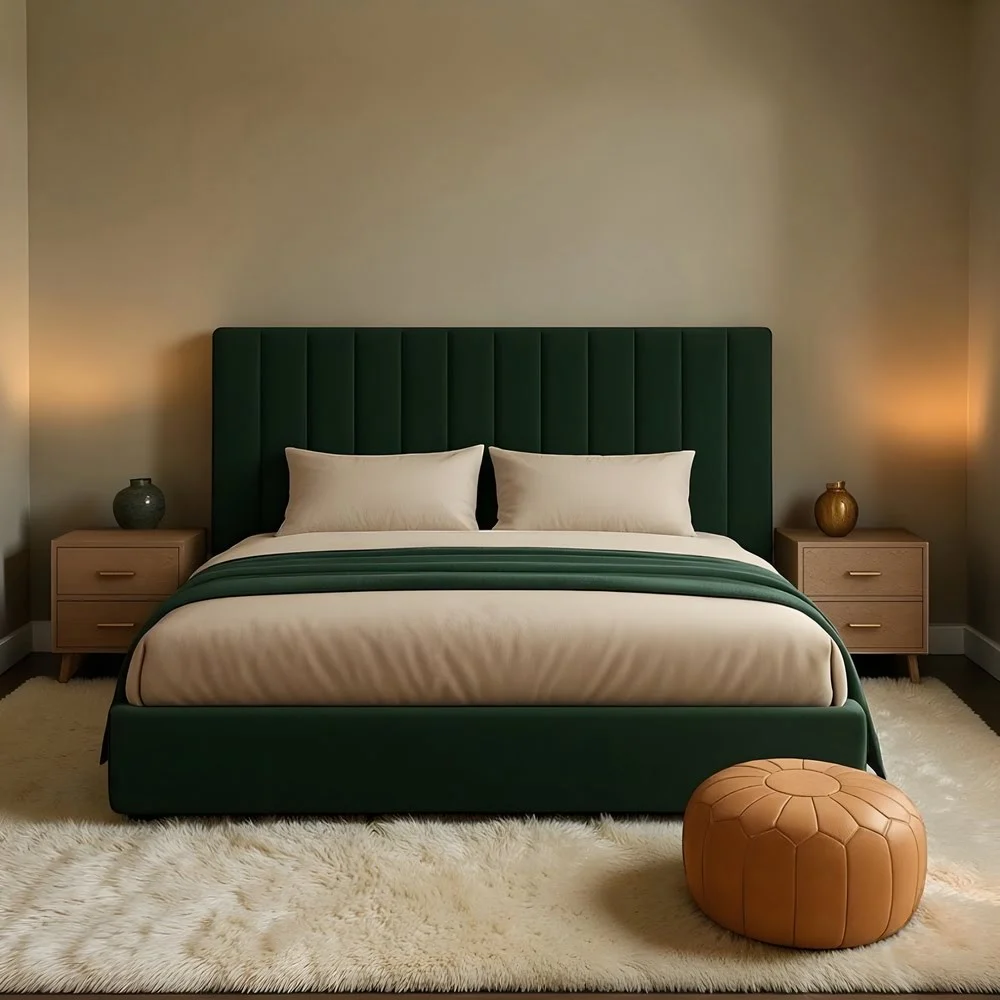
Ideally, the front legs of sofas and chairs should rest on the rug. This anchors the seating area and creates a cohesive look. In larger rooms, rugs can also be used to separate different functional areas.
Optimizing Lighting for Ambiance and Functionality
Lighting plays a crucial role in how your furniture arrangement feels. A combination of ambient, task, and accent lighting ensures the room is both practical and visually appealing.
Placing floor lamps near seating areas enhances usability, while table lamps add warmth. Avoid relying solely on overhead lighting, as it can create harsh shadows and reduce the cozy atmosphere.
Incorporating Multi-Functional Furniture
Modern living spaces often require flexibility. Multi-functional furniture—such as storage ottomans, extendable tables, or modular sofas—can maximize both space and utility.
This approach is particularly useful in urban homes where space is limited. By combining style with functionality, you can maintain a clean and organized living room without sacrificing comfort.
Maintaining Visual Balance with Symmetry and Asymmetry
Symmetry creates a formal and orderly look, while asymmetry adds a more relaxed and dynamic feel. Both approaches can work, depending on your design preference.
For example, placing identical chairs on either side of a sofa creates symmetry, while mixing different seating styles introduces variety. The key is to maintain overall balance so that no side of the room feels heavier than the other.
Smart Placement of Coffee Tables and Side Tables
Tables should be easily accessible without obstructing movement. A coffee table should be placed about 40–45 cm from the sofa, allowing enough space for legroom while keeping items within reach.
Side tables should align with the height of the sofa armrest for convenience. This ensures both functionality and aesthetic harmony.
Avoiding Wall-Hugging Layouts
While it may seem logical to push all furniture against the walls, this often creates a disconnected and less inviting space. Pulling furniture slightly inward can make the room feel more intimate and cohesive.
Even in smaller living rooms, leaving a small gap between furniture and walls can improve the overall layout.
Layering Textures and Accessories
Furniture arrangement isn’t complete without the right accessories. Cushions, throws, and decorative items add depth and personality to the space.
Layering textures—such as combining soft fabrics with wood or metal—enhances visual interest without overcrowding the room.
Adapting Layouts for Different Room Shapes
Not all living rooms are rectangular. Some may be square, narrow, or irregularly shaped. Each layout requires a different approach.
Layout Ideas Based on Room Shape
|
Room Shape
|
Best Arrangement Style
|
Key Tip
|
|---|---|---|
Making the Most of Natural Light
Furniture should be arranged to complement natural light sources. Avoid blocking windows with large pieces, as this can make the room feel darker and smaller.
Instead, position seating near windows to take advantage of daylight. This not only enhances the ambiance but also reduces the need for artificial lighting during the day.
Personalizing the Space
A living room should reflect your personality. Incorporating personal elements such as artwork, books, or travel souvenirs adds character and warmth.
While following design principles is important, your space should ultimately feel like home.
Ensuring Comfort and Practicality
No matter how visually appealing a layout is, it must also be comfortable. Seating should be easy to access, and surfaces should be within reach.
Testing different arrangements before finalizing one can help you find the perfect balance between style and usability.
Avoiding Overcrowding
Less is often more when it comes to furniture arrangement. Overcrowding can make even a large room feel cramped.
Choose essential pieces and leave enough breathing space. This creates a more open and relaxing environment.
Final Thoughts
Arranging living room furniture is about creating harmony between aesthetics and functionality. By focusing on purpose, balance, and flow, you can design a space that is both beautiful and practical.
The insights from CH Furniture emphasize thoughtful planning and attention to detail. With the right approach, even small adjustments can make a significant difference in how your living room looks and feels.
FAQs
Most frequent questions and answers
Focus on multi-functional furniture, keep pathways clear, and avoid overcrowding. Use rugs and lighting to create a sense of space.
Ideally, it should be placed about 40–45 cm away to ensure comfort and accessibility.
Not necessarily. Pulling furniture slightly away from walls can create a more inviting and cohesive layout.
Select a rug large enough so that at least the front legs of your seating furniture rest on it.
Functionality and flow are key. The layout should suit your lifestyle while maintaining comfort and accessibility.
Blog
Get fresh home inspiration and helpful tips from our interior designers