Interior design in 2026 is moving toward spaces that feel warm, personal, and timeless rather than overly minimal or trend-driven. Transitional interior design has become one of the most popular styles because it perfectly balances traditional elegance with modern simplicity. Instead of choosing between classic luxury and contemporary comfort, homeowners are blending both to create interiors that feel sophisticated yet highly livable.
Design experts in 2026 are emphasizing layered textures, earthy tones, curved furniture, handcrafted details, and comfort-first layouts. Modern homes are shifting away from cold minimalism and embracing warmth, personality, and timeless materials.
At CH Furniture, transitional interiors are becoming a preferred choice for homeowners in Dubai because they suit both apartments and spacious villas while maintaining elegance that lasts for years.
What Is Transitional Interior Design?
Transitional design is a blend of traditional and contemporary styles. It combines clean modern lines with classic shapes, warm textures, and balanced décor. The goal is to create a home that feels refined without appearing overly formal or too modern.
Unlike purely traditional interiors that may feel heavy, or ultra-modern spaces that can seem cold, transitional homes focus on harmony. The style mixes comfort with sophistication and allows furniture pieces from different eras to work together naturally.
In 2026, transitional design is evolving further with organic forms, earthy palettes, layered lighting, and multifunctional furniture becoming central elements.
Why Transitional Design Is Dominating Homes in 2026
The biggest reason transitional interiors are trending is because homeowners want flexibility and longevity. Instead of redesigning homes every few years, people are investing in furniture and layouts that remain stylish for a long time.
Modern lifestyles also demand comfort. Families want homes that are visually beautiful while still practical for daily living. Transitional design answers this need perfectly by combining luxury aesthetics with comfortable functionality.
Design forecasts for 2026 highlight that people are moving toward “modern heritage” interiors that blend old and new elements in a balanced way.
The style also works extremely well in Dubai homes because it complements modern architecture while adding warmth and personality.
Warm Neutral Color Palettes Are Replacing Cool Minimalism
One of the biggest shifts in 2026 is the movement away from cool gray interiors. Warm whites, creamy beige tones, earthy browns, olive greens, and caramel shades are taking over modern homes.
Transitional interiors use these colors to create calm and welcoming environments. Instead of stark contrasts, homes now feature layered neutral tones that make spaces feel cozy yet elegant.
Chocolate brown and earthy neutrals are becoming especially popular in sofas, accent chairs, and wooden furniture finishes.
The following table highlights popular transitional color combinations for 2026.
|
Color Palette
|
Mood Created
|
Best Used In
|
|---|---|---|
These palettes create interiors that feel modern while still maintaining classic warmth.
Curved Furniture Is Becoming Softer and More Functional
Furniture trends in 2026 are focusing heavily on comfort and organic shapes. While dramatic curved furniture is becoming less dominant, softer rounded silhouettes are still highly desirable.
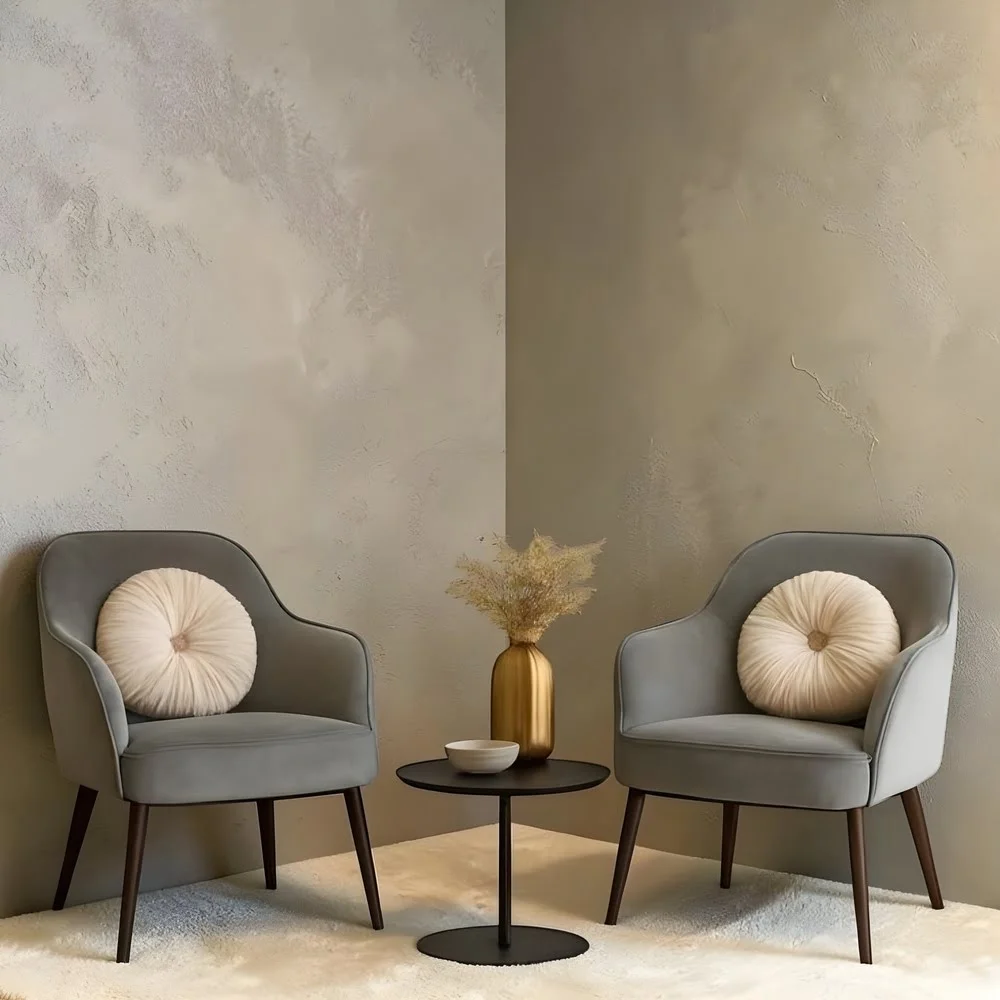
Transitional spaces are incorporating subtle curves through sofas, armchairs, coffee tables, and headboards. These curved forms soften architectural lines and make interiors feel more inviting.
Instead of extreme sculptural shapes, designers now prefer gentle curves paired with structured furniture pieces. This creates visual balance while maintaining practicality.
A curved sectional sofa paired with a rectangular wooden coffee table is a perfect example of transitional harmony in 2026.
Natural Materials and Textures Are Essential
Modern homes are moving away from artificial finishes and embracing tactile, authentic materials. Stone textures, natural woods, linen fabrics, boucle upholstery, and handcrafted finishes are becoming essential features in transitional interiors.
Texture plays a major role in making transitional spaces feel layered and luxurious. Instead of relying on excessive decoration, homeowners are creating depth through materials.
Popular materials in 2026 transitional interiors include:
- Oak and walnut wood finishes
- Linen upholstery
- Travertine and marble surfaces
- Boucle and velvet fabrics
- Matte metal accents
- Handcrafted décor pieces
These materials create a timeless appearance while adding warmth and visual richness.
Statement Lighting Is Defining Modern Transitional Homes
Lighting has become one of the most important design elements in 2026. Transitional interiors are using layered lighting to create atmosphere and sophistication.
Instead of relying only on ceiling fixtures, homeowners are combining chandeliers, pendant lights, wall sconces, and floor lamps to build depth within spaces.
Modern lighting in transitional homes often features:
|
Lighting Type
|
Purpose
|
Ideal Placement
|
|---|---|---|
Brass, matte black, and antique bronze finishes are especially popular in transitional lighting designs for 2026.
Comfort-First Furniture Layouts Are Trending
The concept of “comfort-first interiors” is becoming central to modern homes. Designers are prioritizing furniture layouts that encourage relaxation, conversation, and functionality.
Large modular sofas, oversized armchairs, and multifunctional furniture pieces are becoming essential for transitional spaces.
Rather than designing formal living rooms that are rarely used, homeowners now prefer spaces that feel welcoming and practical for everyday life.
Open layouts are also evolving. Instead of completely open spaces, homes are now using furniture placement, rugs, and lighting to subtly define zones without adding physical barriers.
Vintage and Modern Pieces Are Being Mixed Together
Another defining feature of transitional design in 2026 is the blending of vintage-inspired elements with modern furniture.
This trend is not about recreating old interiors. Instead, it involves pairing timeless pieces with contemporary styling to create spaces that feel collected and personal.
For example:
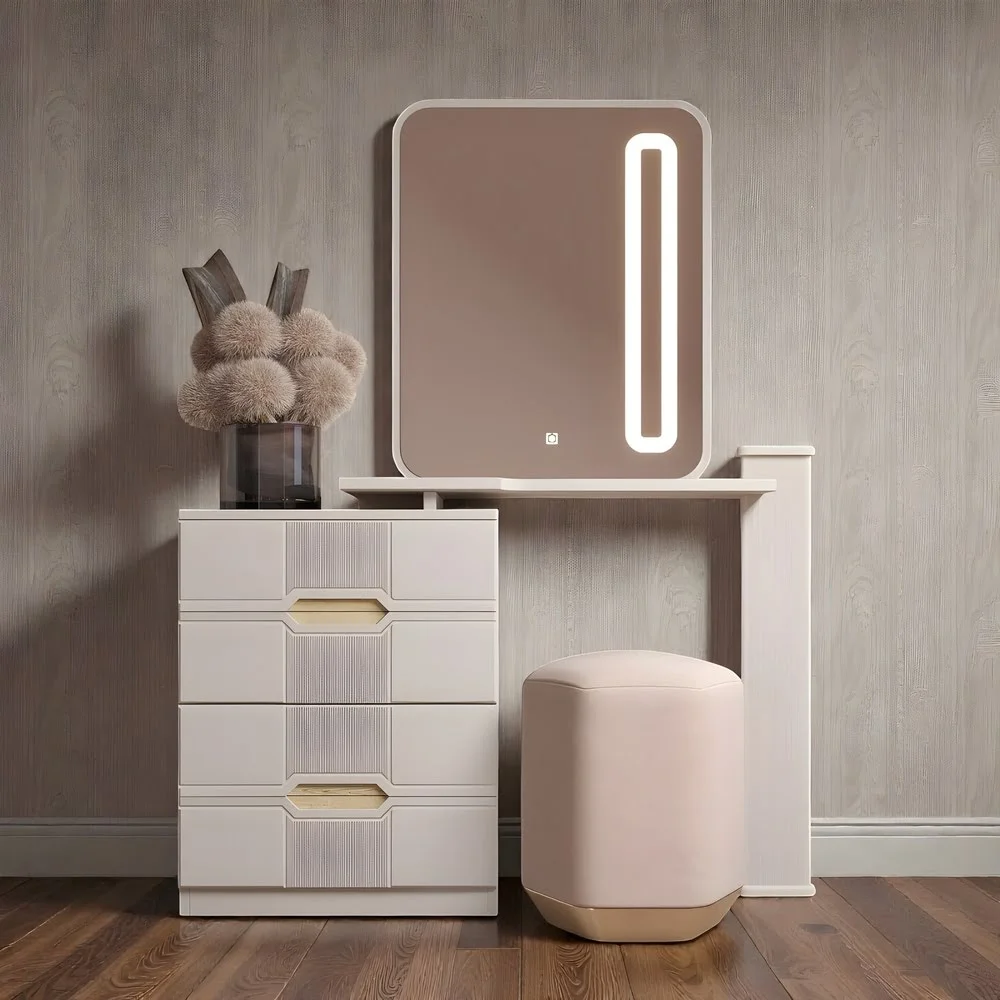
- A classic wooden console paired with modern abstract art
- Traditional molding combined with minimalist furniture
- Vintage-inspired armchairs alongside sleek lighting fixtures
- Antique décor accents within contemporary spaces
This balance prevents interiors from feeling too trendy or overly traditional.
Sustainability Is Influencing Furniture Choices
Sustainability is no longer just a trend; it has become a priority for modern homeowners. In 2026, people are investing in durable furniture that lasts longer instead of disposable fast furniture.
Transitional interiors naturally support sustainable living because they focus on timeless design rather than temporary trends.
High-quality sofas, handcrafted dining tables, durable fabrics, and multifunctional furniture pieces are becoming preferred choices for long-term use.
At CH Furniture, custom furniture solutions allow homeowners to create personalized interiors while investing in long-lasting craftsmanship.
Transitional Bedrooms Are Becoming Cozy Retreats
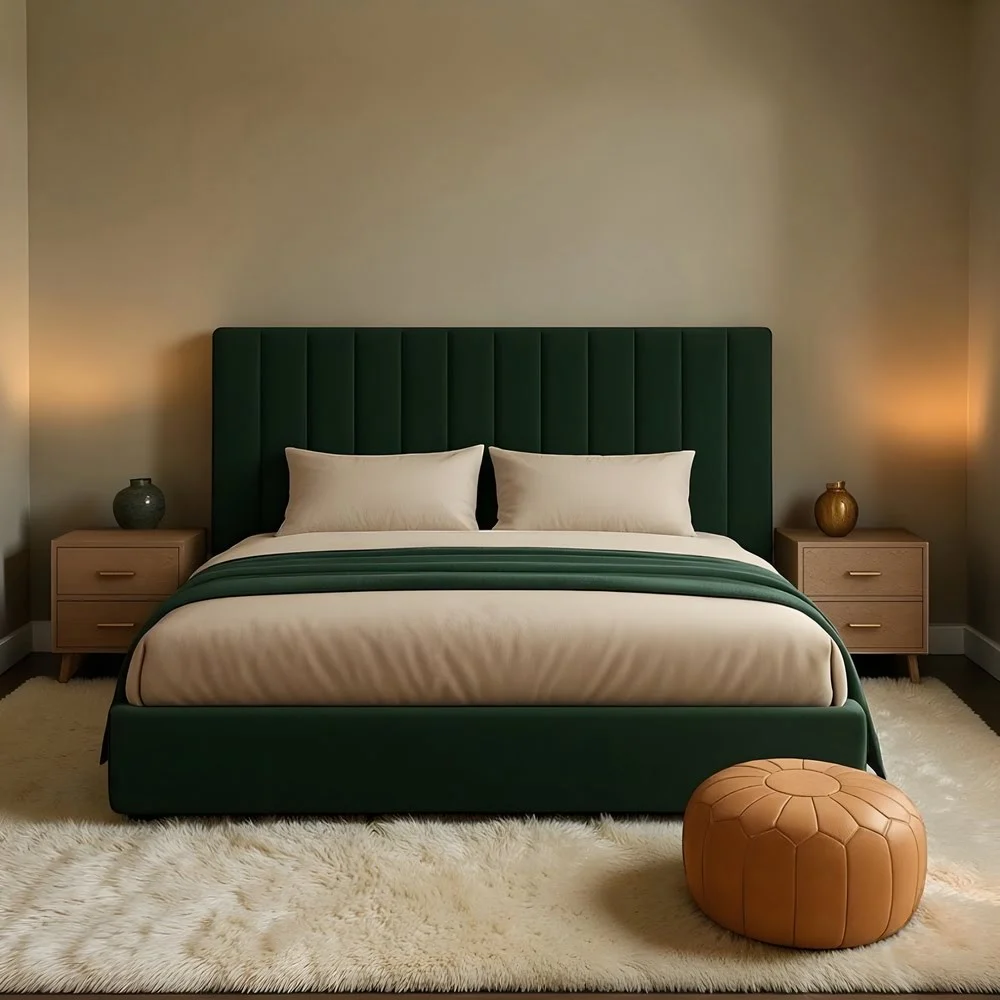
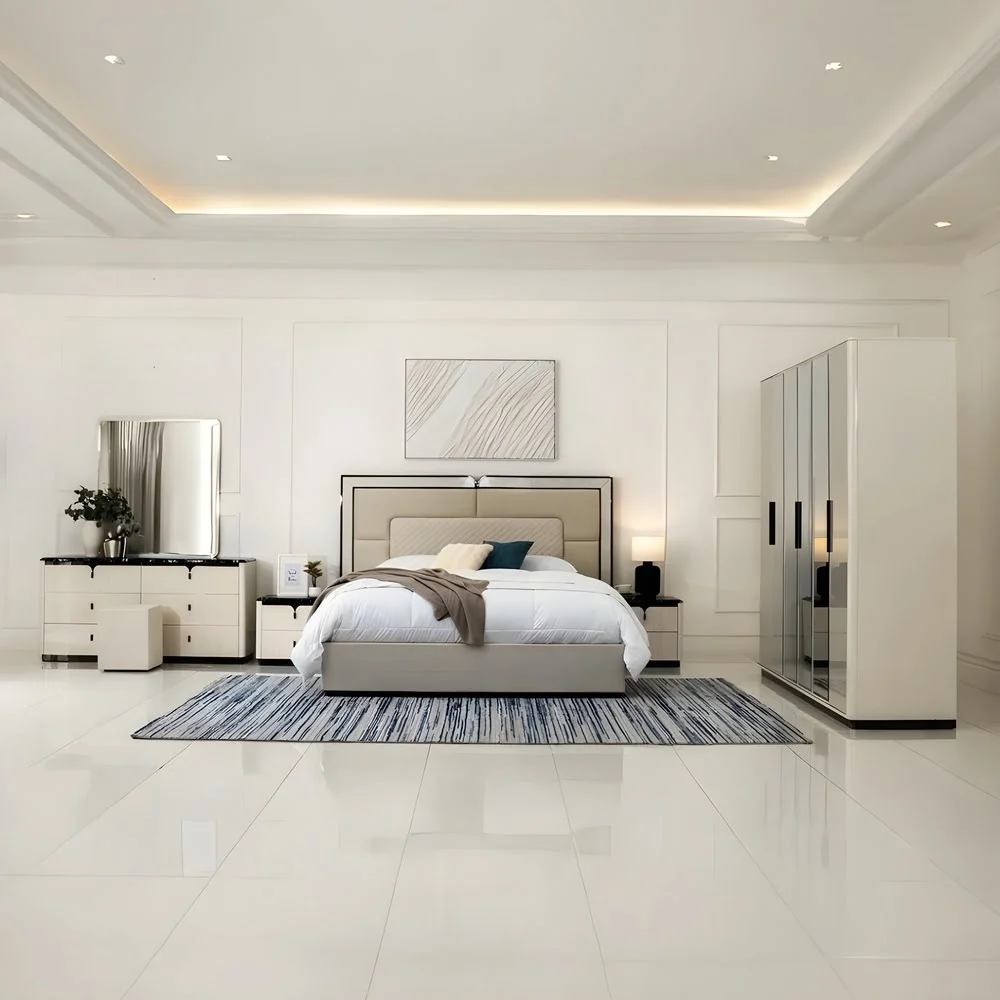
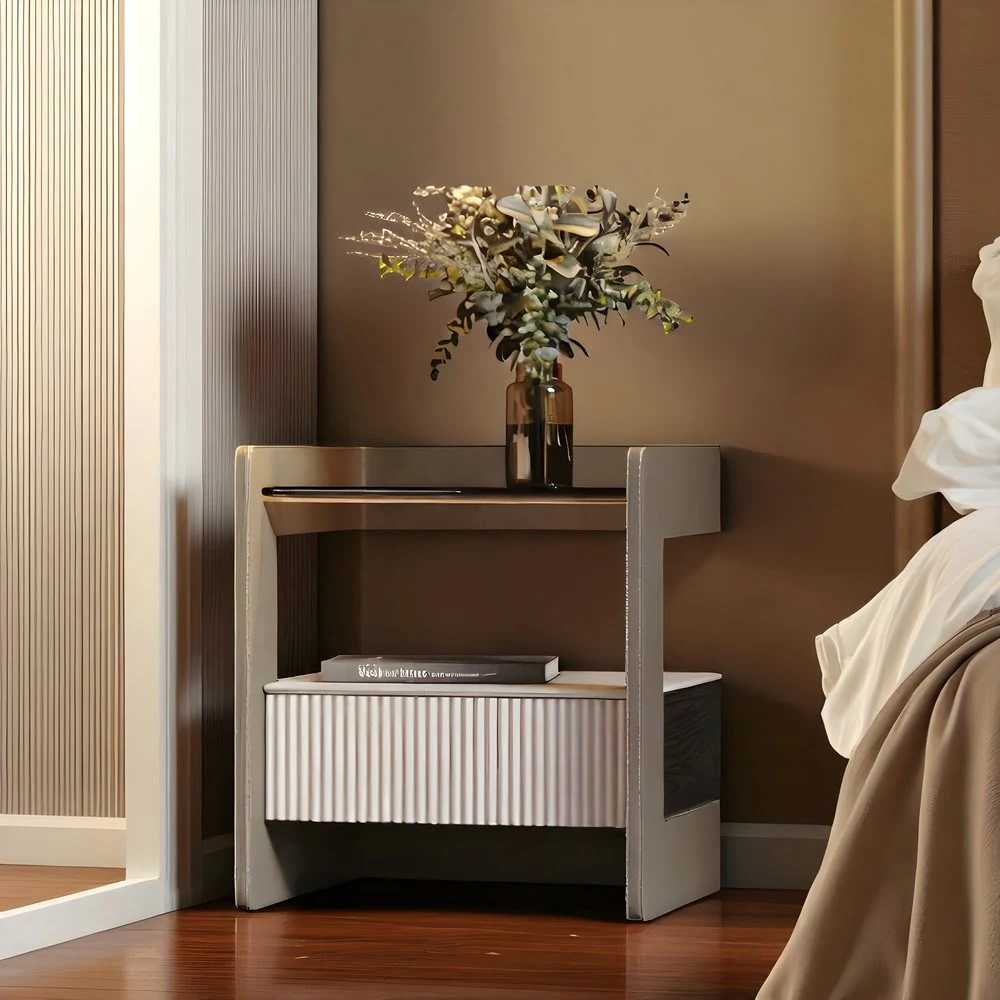
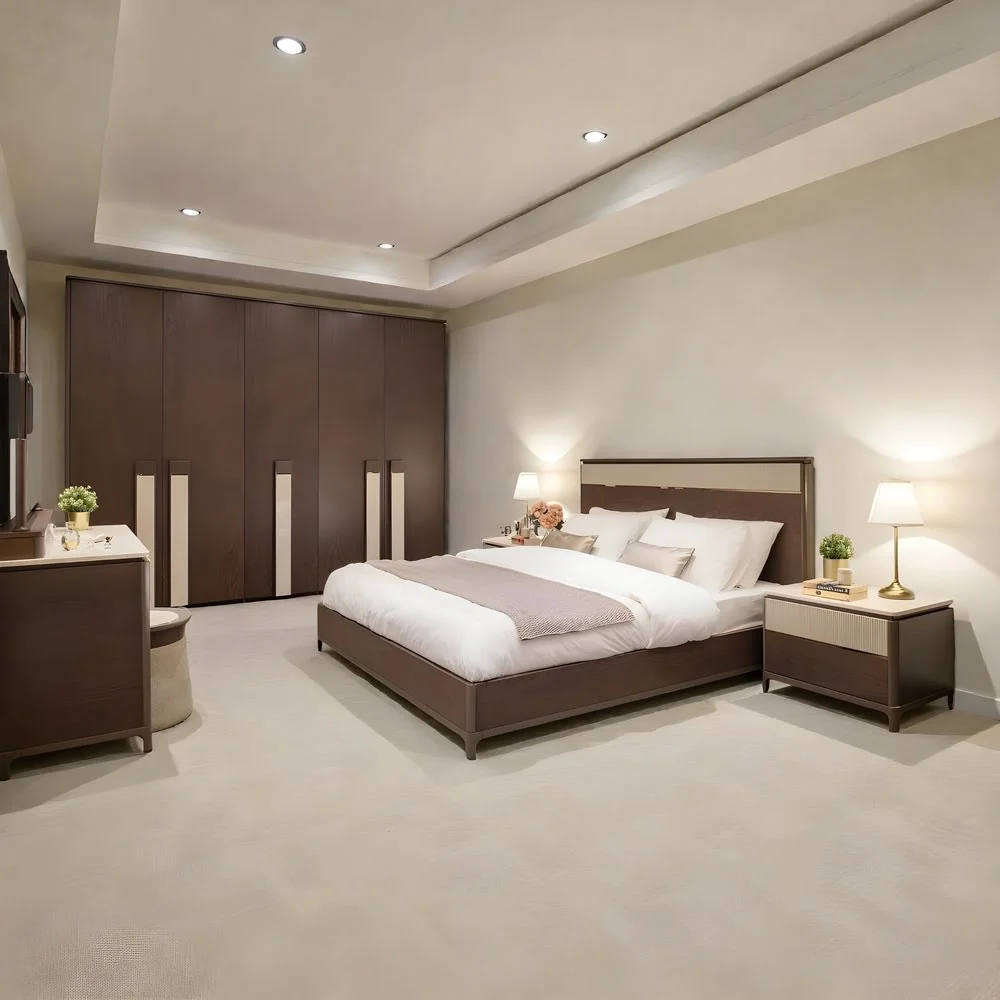
Bedrooms in 2026 are being designed as peaceful retreats rather than purely decorative spaces. Transitional bedrooms combine upholstered beds, warm textiles, soft lighting, and neutral tones to create calming environments.
Layered bedding, textured rugs, wooden side tables, and elegant lighting fixtures are commonly used to enhance comfort and sophistication.
Soft earthy tones such as beige, ivory, sage green, and warm taupe are especially popular for creating relaxing bedroom interiors.
Transitional Dining Spaces Are More Social and Elegant
Dining rooms are becoming more multifunctional in modern homes. Transitional dining areas now serve as spaces for entertaining, working, and family gatherings.
Oval dining tables, upholstered dining chairs, layered lighting, and natural wood finishes are trending strongly in 2026. Curved edges and warm materials help dining spaces feel more welcoming and conversational.
Many homeowners are also mixing modern dining tables with classic seating designs to achieve a balanced transitional appearance.
How CH Furniture Helps Create Transitional Interiors
Creating a successful transitional interior requires balance. Every furniture piece should complement the space without overpowering it.
CH Furniture focuses on modern furniture designs that combine comfort, elegance, and timeless appeal. Whether it is a custom sofa, dining setup, bedroom furniture, or living room arrangement, transitional interiors benefit greatly from personalized furniture solutions that fit both the home’s style and functionality.
In Dubai’s modern homes, transitional design works exceptionally well because it complements contemporary architecture while adding warmth and sophistication.
Final Thoughts
Transitional interior design in 2026 is all about balance. It blends the timeless beauty of traditional interiors with the simplicity and comfort of modern living. Warm colors, organic shapes, layered textures, vintage-inspired details, and functional furniture are shaping homes that feel elegant yet inviting.
Instead of chasing short-term trends, homeowners are investing in interiors that feel personal, comfortable, and timeless. Transitional design offers exactly that balance, making it one of the most practical and stylish choices for modern living.
With thoughtfully designed furniture and carefully layered décor, homeowners can create spaces that remain beautiful for years while adapting to evolving lifestyles.
FAQs
Transitional interior design combines traditional elegance with modern simplicity. It focuses on balance, comfort, neutral colors, and timeless furniture styles.
It is popular because homeowners want interiors that feel warm, comfortable, timeless, and functional rather than overly minimal or trend-focused.
Warm neutrals such as beige, cream, taupe, olive green, chocolate brown, and earthy tones are trending strongly in 2026.
Comfortable sofas, curved seating, natural wood furniture, upholstered dining chairs, and multifunctional pieces work best in transitional interiors.
Yes. Transitional interiors work very well in small apartments because they create a balanced and uncluttered appearance while maintaining warmth and comfort.
Use a neutral color palette, combine modern and classic furniture, add layered lighting, use natural textures, and avoid excessive decoration.
Yes, but softer and more subtle curves are preferred over dramatic sculptural furniture. Comfort and practicality are becoming more important.
CH Furniture
offers customizable furniture solutions that combine timeless style, comfort, and functionality for modern homes.
Blog
Get fresh home inspiration and helpful tips from our interior designers