When it comes to designing a stylish living room, furniture plays a defining role in setting the tone of the space. Among the most debated choices in contemporary interiors is whether wall units or TV stands offer a more fashionable solution. Both serve as focal points for entertainment areas, but their impact on aesthetics, functionality, and overall ambiance differs significantly. At CH Furniture, where design meets comfort, this comparison becomes even more relevant for homeowners seeking to balance style with practicality.
A modern living room is no longer just a place for relaxation—it is a reflection of personal taste and lifestyle. The choice between a wall unit and a TV stand can influence how spacious, organized, and visually appealing the room feels. While trends continue to evolve, both options have carved out their own place in interior design, making the decision less about right or wrong and more about suitability.
Understanding Wall Units: A Statement of Elegance
Wall units are often associated with luxury and sophistication. These large, integrated structures typically span an entire wall, combining shelves, cabinets, and space for a television into one cohesive design. They create a built-in look that instantly elevates the room.
One of the biggest advantages of wall units is their ability to maximize vertical space. In urban homes where space can be limited, utilizing height instead of floor area helps maintain an uncluttered environment. Wall units also offer extensive storage, allowing homeowners to neatly organize books, decorative items, electronics, and more.
From a fashion perspective, wall units are considered highly contemporary, especially when designed with sleek finishes like matte lacquer, glass panels, or wood veneers. They align well with modern and minimalist interiors, where clean lines and symmetry are key. However, their bold presence means they dominate the room, making them more suitable for homeowners who prefer a structured and polished aesthetic.
TV Stands: Simplicity Meets Versatility
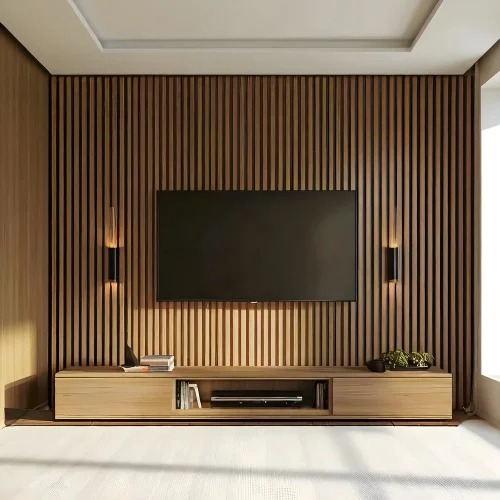
TV stands, on the other hand, offer a more flexible and understated approach. These pieces are typically compact and designed to support a television while providing some level of storage underneath or around it. Unlike wall units, TV stands do not occupy an entire wall, leaving more room for creativity in decorating.
The fashion appeal of TV stands lies in their adaptability. They come in a wide range of styles—from Scandinavian minimalism to rustic charm and industrial designs. This variety allows homeowners to experiment with different looks without committing to a permanent structure.
TV stands are particularly popular in modern apartments and smaller living rooms where maintaining an open and airy feel is essential. Their lightweight visual presence makes the room feel less crowded, and they can easily be replaced or repositioned as design trends change.
Comparing Style and Functionality
To better understand which option is more fashionable, it helps to compare key aspects of wall units and TV stands.
Table 1: Style Comparison
| Feature | Wall Units | TV Stands |
|---|---|---|
|
Visual Impact |
Bold and dominant |
Subtle and minimalist |
|
Design Style |
Modern, contemporary, luxurious |
Versatile (modern, rustic, industrial) |
|
Customization |
High (often custom-built) |
Moderate (variety of ready-made designs) |
|
Space Perception |
Can make rooms feel structured |
Keeps rooms open and spacious |
Wall units often win in terms of making a strong style statement. They are ideal for those who want a cohesive and high-end look. TV stands, however, offer more freedom and adaptability, making them fashionable in a different way—through simplicity and flexibility.
Table 2: Functionality Comparison
| Feature | Wall Units | TV Stands |
|---|---|---|
|
Storage Capacity |
Extensive |
Limited to moderate |
|
Space Usage |
Utilizes vertical space |
Occupies floor space |
|
Installation |
Fixed or semi-permanent |
Portable and easy to move |
|
Maintenance |
Requires more upkeep |
Easier to clean and maintain |
From a functional perspective, wall units are more comprehensive, offering integrated storage solutions. TV stands, while less complex, provide convenience and ease of use.
Fashion Trends in Modern Interiors
In recent years, interior design trends have leaned toward minimalism, clean lines, and multifunctional furniture. This shift has influenced how both wall units and TV stands are perceived in terms of fashion.
Wall units have evolved to become sleeker and less bulky than traditional designs. Floating wall units, for example, create a sense of lightness while maintaining storage capacity. Neutral tones such as beige, white, and grey dominate these designs, aligning with modern aesthetics.
TV stands, meanwhile, have embraced innovation through materials and shapes. Designs featuring metal frames, natural wood textures, and asymmetrical structures are increasingly popular. These elements add character without overwhelming the space.
The fashionable choice often depends on how well the furniture integrates with the overall design theme. A well-designed wall unit can be the centerpiece of a luxurious living room, while a stylish TV stand can complement a minimalist or eclectic setup.
Space Considerations and Lifestyle Needs
Another important factor in determining which option is more fashionable is the size and layout of the living room. In larger homes, wall units can enhance the grandeur of the space, making it feel more complete and organized. In smaller apartments, however, they may appear overwhelming.
TV stands are better suited for compact spaces where flexibility is key. They allow homeowners to experiment with layouts and easily update their interiors. This adaptability aligns with modern lifestyles, where change and personalization are highly valued.
Lifestyle also plays a role. Families with extensive media collections or a need for hidden storage may find wall units more practical. On the other hand, individuals who prefer a minimalist approach may gravitate toward TV stands.
Balancing Fashion with Practicality
Fashion in furniture is not just about appearance—it is about how well a piece fits into daily life. A wall unit may look stunning, but if it makes the room feel cramped or difficult to maintain, it loses its appeal. Similarly, a TV stand may seem simple, but its versatility can make it a more fashionable choice in the long run.
At CH Furniture, the focus is on offering designs that balance aesthetics with usability. Whether it’s a sleek wall unit or a contemporary TV stand, the goal is to enhance the living experience while keeping up with modern trends.
Which One Should You Choose?
Ultimately, the question of which is more fashionable does not have a one-size-fits-all answer. Wall units are ideal for those who want a bold, integrated look with ample storage and a touch of luxury. TV stands are perfect for individuals who value flexibility, simplicity, and the ability to refresh their space easily.
The key is to consider your space, lifestyle, and design preferences. Fashion is subjective, and the most stylish choice is the one that feels right for your home.
FAQs
Most frequent questions and answers
Yes, wall units remain highly fashionable, especially when designed with modern materials and minimalist aesthetics. Contemporary versions are sleeker and more adaptable to current trends.
Not at all. TV stands are still very popular due to their versatility and wide range of designs. They can easily match modern, rustic, or industrial interiors.
TV stands are generally better for small spaces because they take up less visual and physical space, helping the room feel more open.
Yes, wall units often offer high levels of customization, allowing homeowners to tailor them to their specific storage and design needs.
Yes, TV stands are typically easier to clean and maintain since they are smaller and more accessible.
TV stands are usually more budget-friendly, while wall units tend to be more expensive due to their size and customization options.
Yes, some homeowners use a minimalist TV stand along with wall-mounted shelves to achieve a balanced look that combines the benefits of both.
Blog
Get fresh home inspiration and helpful tips from our interior designers