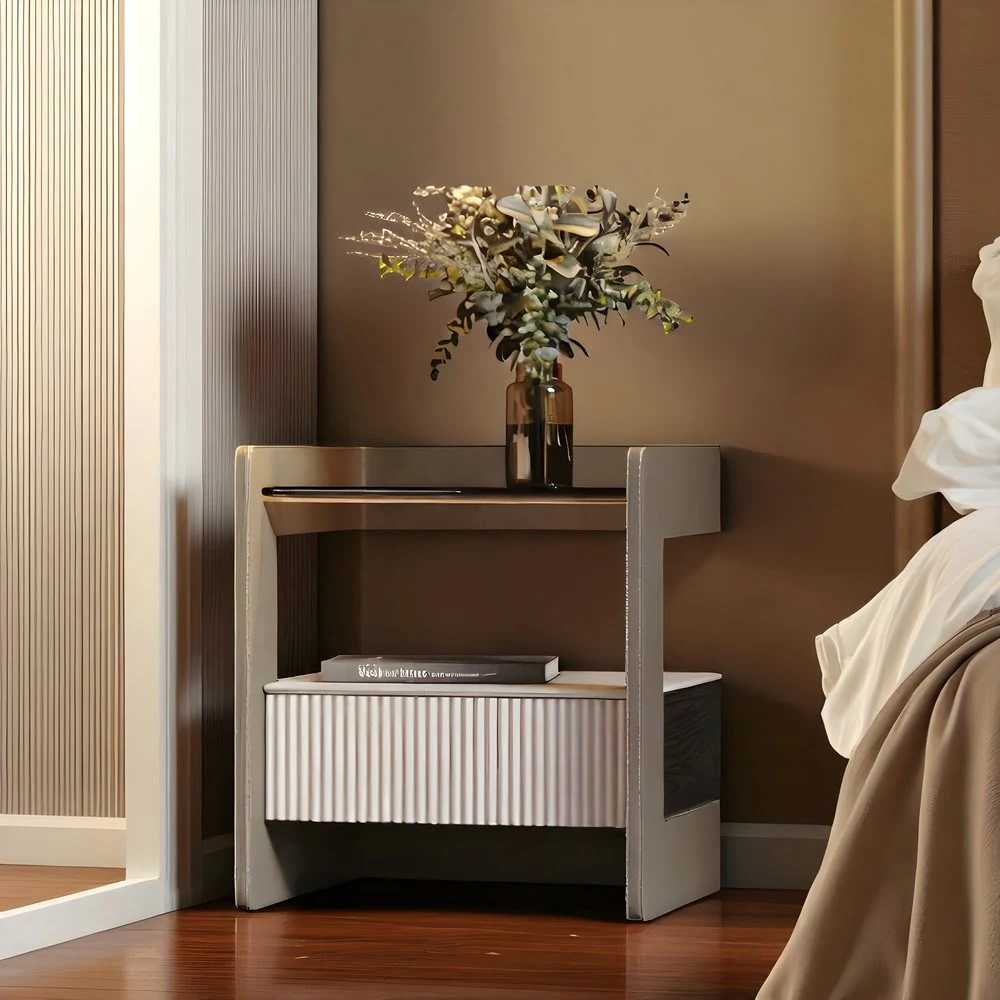
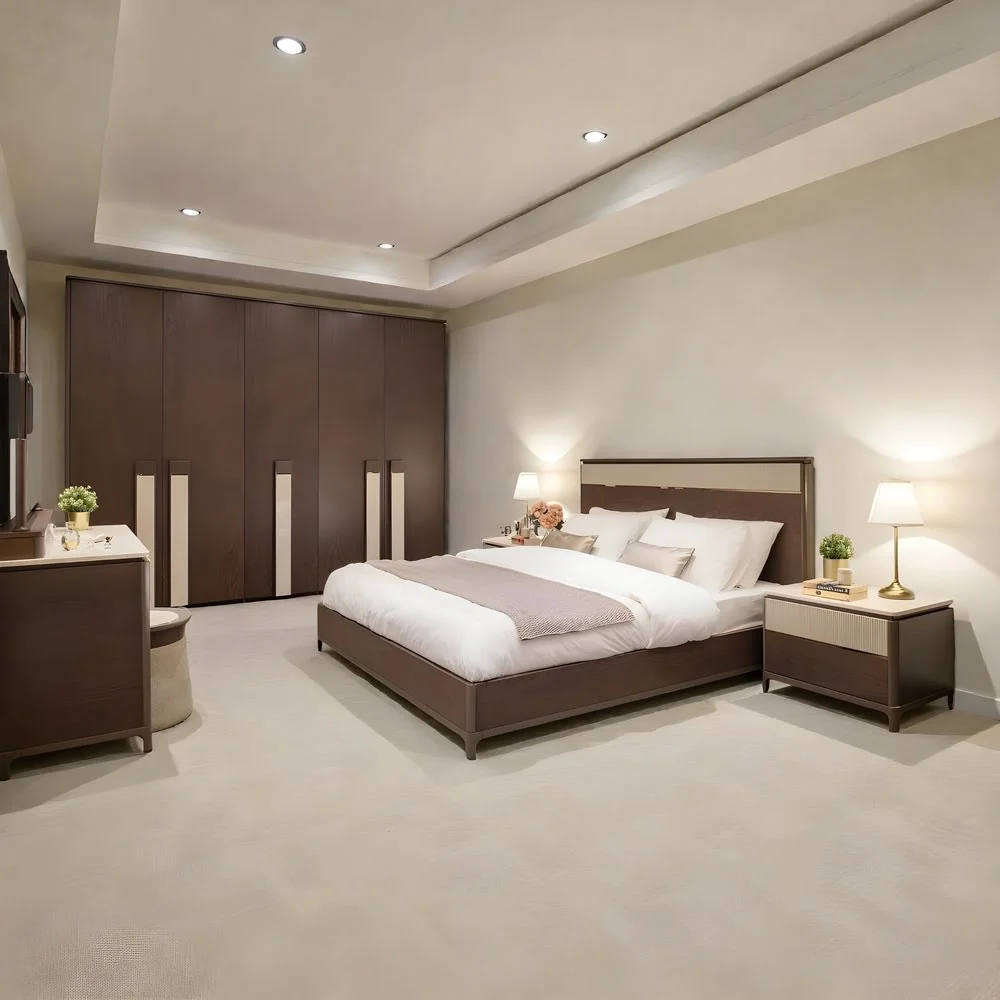
Designing a living room is more than just placing furniture—it’s about creating a space that feels inviting, functional, and visually balanced. Whether you’re working with a compact apartment in Dubai or a spacious villa, thoughtful furniture arrangement can completely transform how your living room looks and feels. With insights inspired by CH Furniture, this guide explores practical and stylish ways to elevate your living space.
Understanding the Purpose of Your Living Room
Before moving a single piece of furniture, it’s important to define how the space will be used. Some living rooms are designed for relaxation and family time, while others are more formal, meant for entertaining guests. In many UAE homes, living rooms often serve multiple purposes—hosting visitors, watching TV, or even doubling as a workspace.
When you clearly understand the purpose, it becomes easier to decide which furniture pieces are essential and how they should be arranged. For example, a family-focused room might prioritize a large, comfortable sofa and a media unit, while a formal space may emphasize symmetry and elegance with accent chairs and decorative tables.
Start with a Focal Point
Every well-designed living room revolves around a focal point. This could be a television, a feature wall, a large window with a view, or even a statement sofa. Once the focal point is identified, arrange your furniture to highlight and complement it.
Position your main seating—like sofas or sectionals—facing the focal point. This creates a natural flow and ensures the room feels cohesive. Avoid placing furniture randomly, as it can make the space feel disorganized and uncomfortable.
Creating Balance Through Furniture Placement
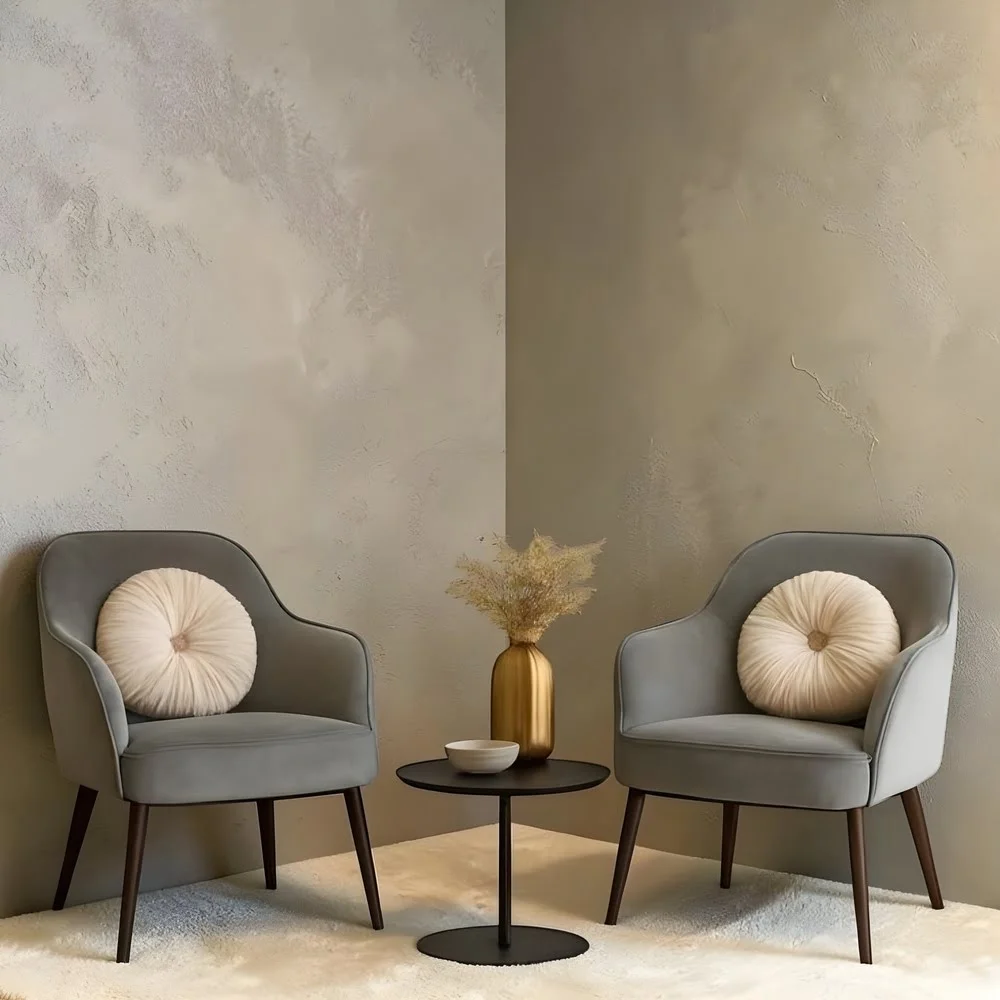
Balance is key to a visually appealing living room. This doesn’t necessarily mean everything has to be symmetrical, but there should be a sense of harmony. For instance, if you have a large sectional sofa on one side, balance it with two chairs or a console table on the other.
Mixing different shapes and sizes also helps maintain interest. Pairing a bulky sofa with sleek chairs or combining round coffee tables with rectangular rugs can prevent the room from feeling too heavy or too rigid.
Space Planning: Measuring Before Arranging
One of the most common mistakes in living room design is ignoring measurements. Oversized furniture in a small space can make the room feel cramped, while undersized pieces in a large room can look lost.
Below is a simple reference table for ideal spacing:
|
Furniture Element
|
Recommended Distance
|
|---|---|
Maintaining these distances ensures comfort and ease of movement, especially in busy households.
Choosing the Right Layout Style
Different room sizes and shapes call for different layout styles. While open-plan layouts are popular in modern Dubai homes, smaller apartments may require more strategic arrangements.
Here’s a comparison of common living room layouts:
Choosing the right layout helps maximize both functionality and aesthetics.
The Role of Rugs and Anchoring Furniture
A rug does more than add texture—it anchors your furniture and defines the seating area. A common mistake is choosing a rug that is too small, which can make the room feel disconnected.
Ideally, your rug should be large enough so that at least the front legs of your sofa and chairs sit on it. In larger rooms, you can even place all furniture legs on the rug to create a unified look.
Lighting: Enhancing the Arrangement
Lighting plays a crucial role in highlighting your furniture arrangement. A well-lit living room feels warm and welcoming, while poor lighting can diminish even the best layouts.
Layered lighting works best:
- Ambient lighting (ceiling lights)
- Task lighting (floor or table lamps)
- Accent lighting (wall lights or spotlights)
Position lamps near seating areas to enhance comfort and functionality, especially for reading or relaxing.
Incorporating Storage Without Clutter
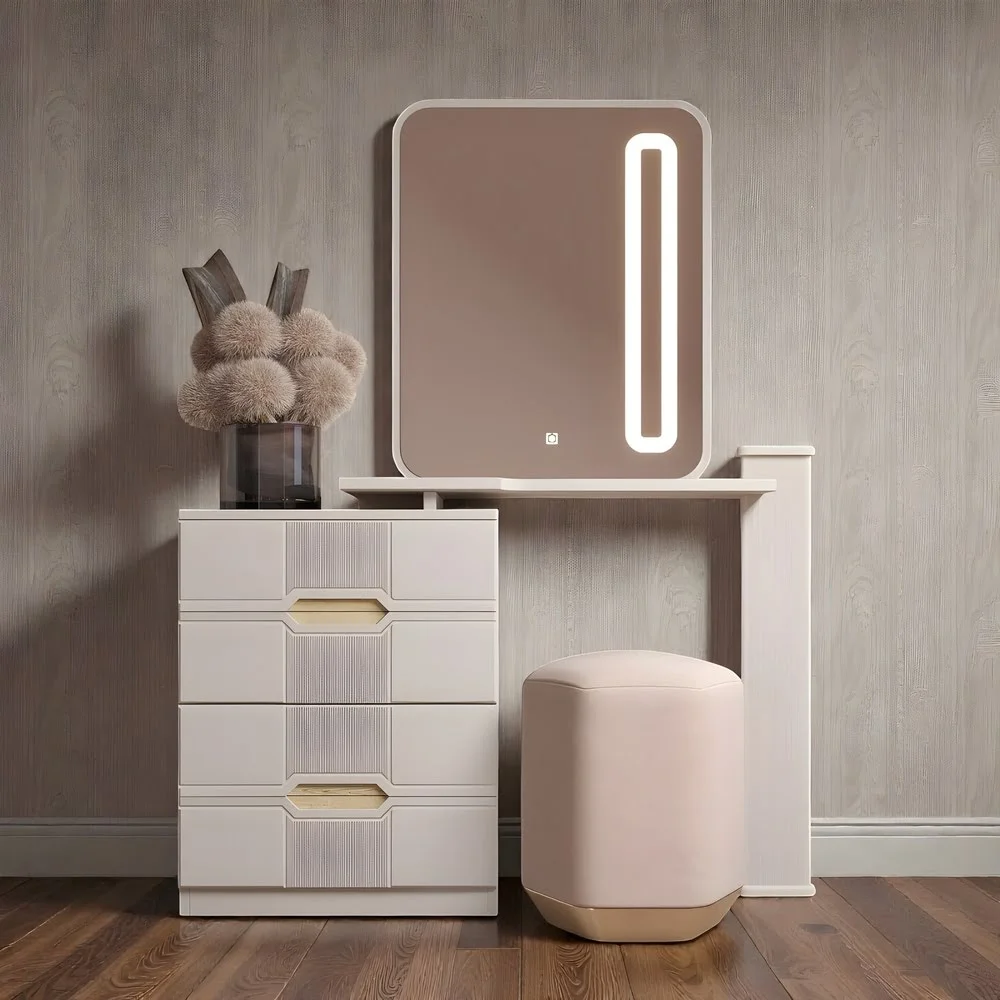
Modern living rooms require smart storage solutions to keep the space organized without compromising style. Consider furniture that doubles as storage, such as coffee tables with compartments or TV units with shelving.
Avoid overcrowding the room with too many storage pieces. Instead, focus on a few well-designed units that blend seamlessly with your décor.
Playing with Colors and Textures
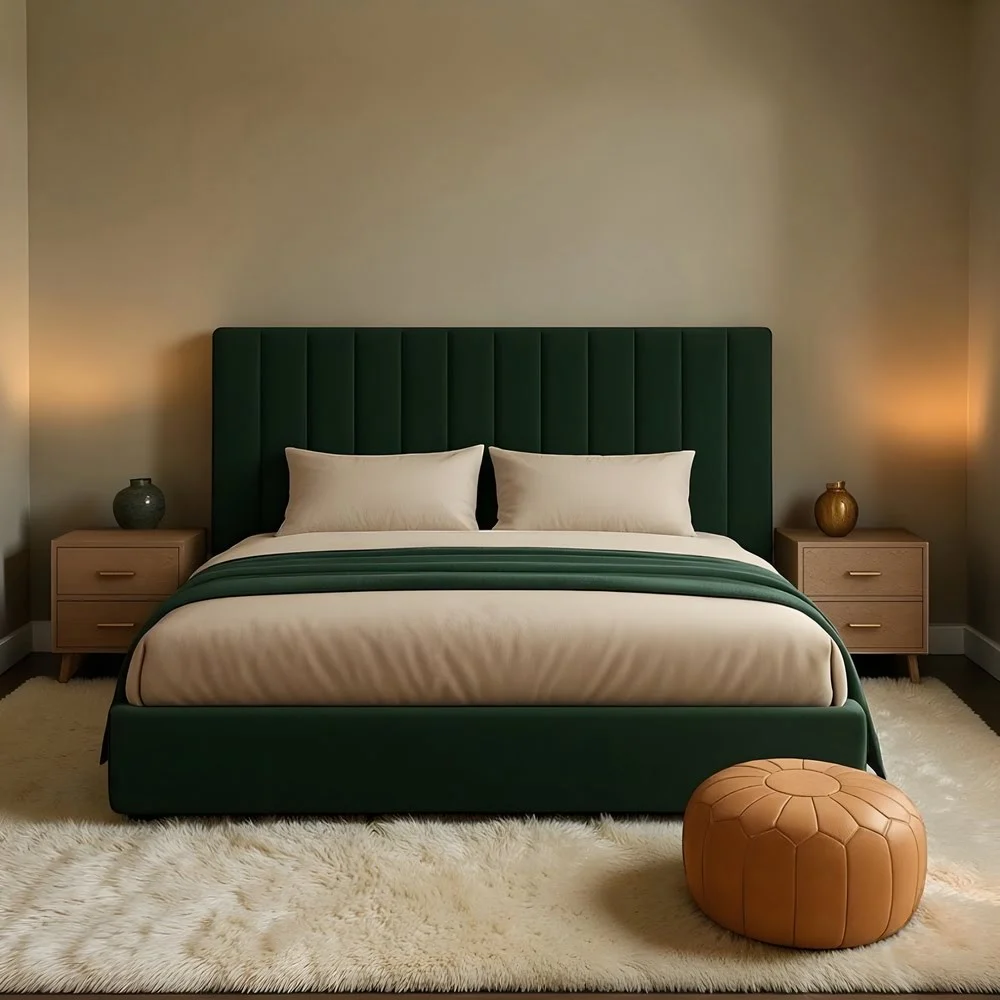
Furniture arrangement isn’t just about placement—it’s also about how different elements interact visually. Neutral tones are widely popular in UAE interiors, but adding pops of color through cushions, throws, or accent chairs can bring life to the space.
Textures also matter. Combining materials like wood, fabric, metal, and glass adds depth and sophistication. For example, a soft fabric sofa paired with a marble coffee table creates an elegant contrast.
Common Mistakes to Avoid
Even with the best intentions, certain mistakes can affect the overall look of your living room. Pushing all furniture against the walls, for instance, can make the space feel disconnected rather than open. Similarly, overcrowding the room with too many pieces can reduce comfort and functionality.
Another common issue is ignoring scale—choosing furniture that doesn’t match the size of the room. Always aim for proportion and balance to maintain harmony.
Adapting to Dubai Living Trends
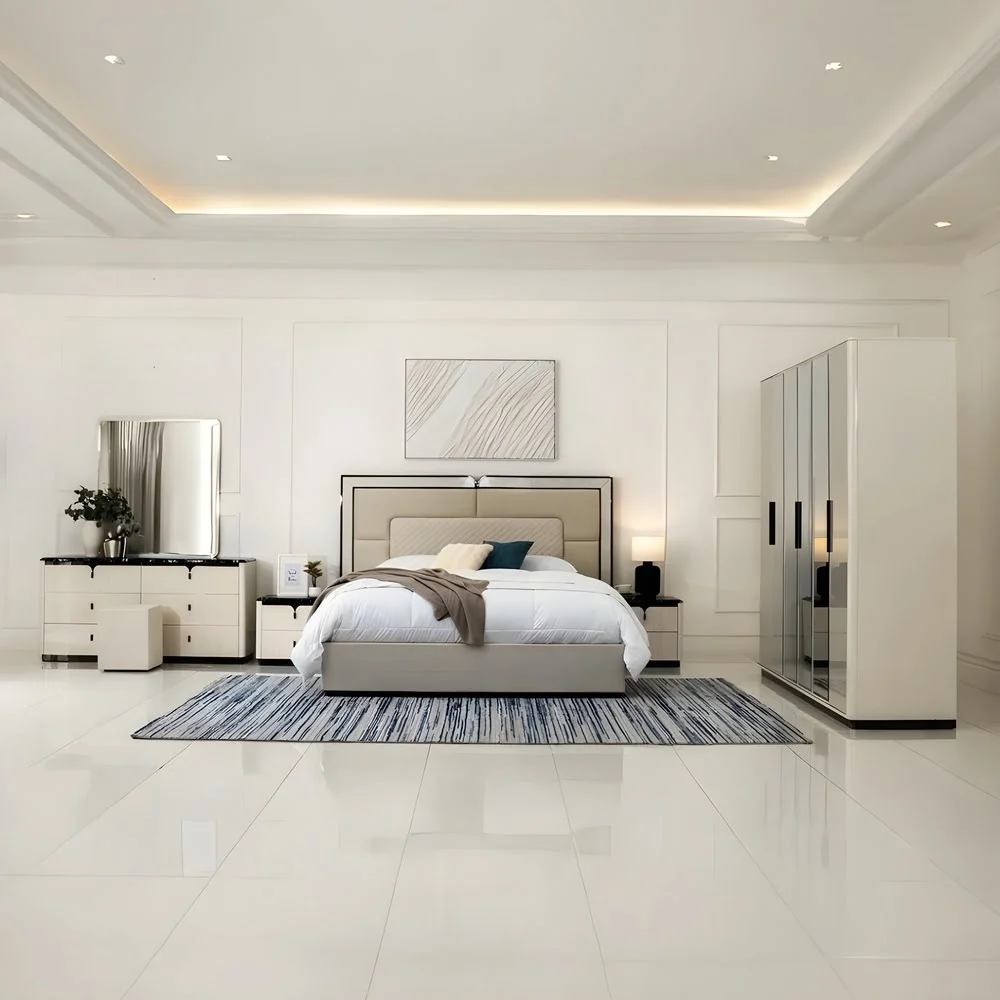
Living room design in Dubai often reflects a blend of modern luxury and cultural influences. Open spaces, neutral palettes, and multifunctional furniture are highly favored. With the growing trend of apartment living, modular sofas and space-saving designs have become increasingly popular.
Additionally, incorporating natural light and minimalist décor helps create a calm and sophisticated environment, which aligns well with contemporary UAE lifestyles.
Final Thoughts
Arranging living room furniture is both an art and a science. It requires a balance of aesthetics, functionality, and personal preference. By understanding your space, choosing the right layout, and paying attention to details like lighting and spacing, you can create a living room that feels both stylish and comfortable.
Drawing inspiration from CH Furniture, the key is to focus on quality pieces and thoughtful design rather than simply filling the space. A well-arranged living room not only enhances your home’s appearance but also improves your everyday living experience.
FAQs
Most frequent questions and answers
In small spaces, prioritize multifunctional furniture and avoid overcrowding. Use an L-shaped sofa or compact seating and keep pathways clear to maintain openness.
Measure your space carefully and ensure the sofa doesn’t dominate the room. Leave enough space for movement and additional furniture.
Not necessarily. Pulling furniture slightly away from walls can create a more intimate and balanced seating arrangement.
A focal point is essential as it guides the arrangement and creates visual harmony within the space.
Choose a rug large enough to anchor your furniture. Ideally, it should fit under at least the front legs of your seating.
Use light colors, mirrors, and minimal furniture. Proper lighting and smart layouts also help create the illusion of space.
Blog
Get fresh home inspiration and helpful tips from our interior designers