Your sofa is more than just a place to sit — it’s the focal point of your living room and a reflection of your personal style. The way it looks and feels can greatly influence the overall atmosphere, comfort, and elegance of your home. A well-maintained sofa creates a warm, inviting space for family gatherings and guests, while a neglected one can quickly make the entire room appear worn and unkempt. That’s why proper care and regular maintenance are essential to preserve both its beauty and functionality.
No matter the material — whether you own a luxurious leather sofa, a cozy fabric design, or a practical microfiber piece — consistent upkeep plays a key role in extending its lifespan. Simple maintenance habits can prevent fading, sagging, stains, and everyday wear and tear, saving you from costly repairs or early replacement. With the right approach, your sofa can remain comfortable, supportive, and visually appealing for years to come.
At CH Furniture, we understand the importance of investing in high-quality seating that stands the test of time. However, even the finest sofas require proper care to maintain their charm and durability. In this blog, we’ll share practical and effective tips to help you protect, clean, and maintain your sofa, ensuring it stays in excellent condition and continues to enhance your living space.
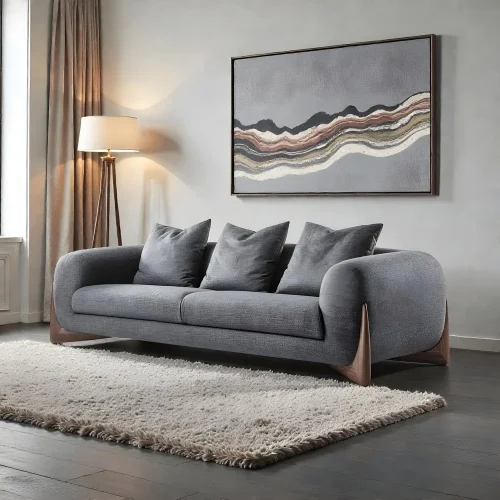
1. Vacuum Your Sofa on a Regular Basis
One of the easiest yet most effective ways to maintain your sofa’s cleanliness and extend its lifespan is by vacuuming it regularly. Over time, dust, dirt, pet hair, food crumbs, and other small particles naturally settle on the surface and in the crevices of your sofa. If left unattended, these particles can become embedded in the fabric, leading to discoloration, unpleasant odors, and gradual wear and tear.
Use a vacuum cleaner with an upholstery attachment to gently remove debris from the surface without damaging the fabric. Be sure to move slowly and cover every section thoroughly. Pay special attention to seams, stitching, folds, and corners, as these areas tend to trap hidden dirt. Regular vacuuming not only keeps your sofa looking fresh and tidy but also helps maintain the texture and quality of the fabric over time.
Making vacuuming a part of your weekly cleaning routine can significantly improve the overall hygiene of your living space and prevent allergens from accumulating.
Pro Tip:
If your sofa has removable cushions, always take them off before vacuuming. Clean both sides of the cushions and vacuum the base underneath them. This extra step ensures that dust and debris don’t build up in hidden areas, keeping your sofa thoroughly clean and well-maintained.
2. Clean Spills Right Away to Prevent Stains
Spills are bound to happen—whether it’s a cup of coffee, a splash of juice, or food crumbs during movie night. If you have kids or pets at home, accidents can be even more frequent. That’s why one of the most essential sofa care tips is to treat spills immediately. The longer a spill sits on your sofa, the more it seeps into the fabric or surface, making it harder to remove and increasing the risk of permanent stains or unpleasant odors.
For fabric sofas, act quickly by gently blotting the affected area with a clean, dry cloth or paper towel. Blotting helps absorb excess liquid without spreading it. Avoid rubbing or scrubbing, as this can push the stain deeper into the fibers and damage the fabric texture. If needed, use a mild fabric-safe cleaner, applying it lightly and testing on a hidden area first.
For leather or synthetic sofas, wipe the spill gently with a slightly damp cloth to remove residue. Immediately follow up with a dry, soft cloth to prevent moisture marks or water stains. Leather, in particular, can absorb liquids if left unattended, so quick action helps preserve its smooth finish and prevents discoloration.
Choosing the correct cleaning product for your sofa’s material is extremely important. Using harsh chemicals or the wrong solution can cause fading, cracking, or fabric damage. Always read and follow the manufacturer’s care instructions before applying any cleaning product.
Helpful Tip:
Keep a suitable fabric cleaner or a mild detergent readily available for quick action. Make sure it is specifically safe for your sofa’s material so you can handle spills efficiently without risking damage. Quick response and proper care will keep your sofa looking fresh, clean, and stain-free for years to come.
3. Rotate and Fluff Your Cushions Regularly
If you want your sofa to stay supportive and look fresh for years, rotating and fluffing the cushions is non-negotiable. Most people naturally sit in the same spot every day. Over time, that repeated pressure causes certain cushions to sag, flatten, and lose their original shape.
By rotating the cushions regularly, you spread out the wear evenly. This simple habit prevents one section from breaking down faster than the rest, helping your sofa maintain a balanced and well-kept appearance. It also reduces the chances of permanent dents forming in your favorite seat.
Fluffing is just as important. Cushion fillings can shift and compress with daily use, which makes them feel less comfortable and look deflated. A quick fluff restores their shape and improves comfort. Gently shake them, pat them firmly, or knead them by hand to redistribute the filling evenly. For back cushions, a few strong pats on each side can make a noticeable difference.
Small actions like this take only a few minutes but significantly extend the life and comfort of your sofa.
Pro Tip:
Rotate your seat and back cushions every few weeks—especially if one spot gets more use. Consistency here is what keeps your sofa looking plump, supportive, and inviting.
4. Shield Your Sofa from Direct Sunlight
Continuous exposure to direct sunlight can gradually damage your sofa’s fabric or leather, leading to fading, discoloration, and material deterioration. UV rays are especially harsh on delicate materials like leather, which can dry out, lose its natural oils, and eventually crack if left unprotected. Even high-quality upholstery fabrics can become dull and brittle over time when exposed to strong sunlight.
To preserve the original color, texture, and overall lifespan of your sofa, try positioning it away from direct sunlight, particularly near large windows or glass doors. If rearranging your furniture isn’t possible, use curtains, blinds, or UV-filtering window films to reduce the intensity of sunlight entering the room. Sheer curtains can soften harsh rays while still allowing natural light to brighten your space.
If relocating the sofa isn’t practical, protective sofa covers are a simple and effective solution. They not only guard against UV damage but also help prevent dust accumulation and everyday wear.
Pro Tip:
Apply a UV protectant spray—especially on leather sofas—to create an added barrier against harmful rays. Regular conditioning of leather upholstery will also help maintain its flexibility, prevent drying, and keep it looking rich and supple for years to come.
5. Protect Your Sofa with High-Quality Covers
Using sofa covers is one of the simplest and most effective ways to extend the lifespan of your furniture. Daily use, accidental spills, pet hair, dust, and general wear and tear can gradually damage upholstery. A well-fitted sofa cover acts as a protective shield, preventing stains, fading, and fabric deterioration while maintaining the original look of your sofa.
This is especially beneficial for households with pets or young children, where furniture is more likely to face frequent messes and rough use. Instead of worrying about every spill or scratch, you can rely on a removable cover that is easy to clean and maintain. Most covers can be machine-washed, making upkeep quick and convenient.
Beyond protection, sofa covers also offer a stylish advantage. They allow you to refresh your living room’s appearance without investing in a new sofa. Whether you want to update your space for a new season, a festive occasion, or simply a change in décor, switching covers is a cost-effective and creative solution.
Tip:
Choose durable, washable, and breathable fabrics that complement your living room’s design. Neutral tones offer versatility, while bold colors or textured fabrics can make a statement—all while keeping your sofa safe and looking its best.
6. Professional Cleaning
No matter how carefully you maintain your sofa, daily use naturally leads to the buildup of dust, body oils, allergens, and hidden debris deep within the upholstery. While regular vacuuming and spot cleaning help maintain surface cleanliness, they cannot fully eliminate deeply embedded dirt or lingering odours. That’s where professional upholstery cleaning becomes essential.
Professional cleaners use advanced equipment and specialised cleaning solutions designed to penetrate deep into the fabric without causing damage. Their expertise allows them to treat different materials properly, whether your sofa is upholstered in fabric, velvet, leather, or synthetic blends. This thorough cleaning process not only refreshes the appearance of your sofa but also improves indoor air quality by removing allergens and bacteria trapped within the fibres.
Scheduling a professional cleaning once or twice a year is one of the most effective ways to extend your sofa’s lifespan. It helps restore the fabric’s texture, maintain its colour, and preserve its overall structure, ensuring your sofa remains comfortable and inviting for years to come.
Tip:
Always choose a reputable and experienced upholstery cleaning service. Make sure they are familiar with your sofa’s specific material type and use appropriate cleaning methods to avoid shrinkage, fading, or fabric damage.
7. Prevent Sagging and Maintain Shape
Over time, daily use can cause sofa cushions and internal springs to lose their firmness, leading to sagging and reduced comfort. Proper care and mindful usage can significantly extend the life and appearance of your sofa.
One of the simplest ways to prevent sagging is to avoid sitting in the same spot every day. Consistently placing weight in one area puts uneven pressure on the cushions and frame, causing that section to wear out faster. Make it a habit to rotate seating positions and encourage family members to do the same. This helps distribute weight evenly and maintains the sofa’s overall structure.
If your sofa has removable cushions, rotate and flip them regularly—ideally once a week. This allows the filling to settle evenly and prevents permanent indentations. For fixed cushions, gently fluff and reshape them by hand to restore their form. If you notice the cushions losing volume, consider adding extra filling or foam inserts to improve firmness and support.
For sofas with built-in spring systems, it’s important to avoid activities that place excessive strain on the frame. Jumping, standing, or placing heavy objects on the seating area can weaken the springs and cause long-term structural damage. Treating the sofa with care will help maintain its comfort and durability.
Extra Support Tip:
If sagging becomes noticeable, placing a thin sheet of plywood or a sofa support board underneath the cushions can provide additional reinforcement. This simple solution improves weight distribution and restores firmness without the need for immediate repairs or replacement.
With consistent care and small preventive steps, you can keep your sofa looking well-shaped, comfortable, and supportive for years to come.
8. Maintain Optimal Humidity Levels
Keeping the right humidity level inside your home plays a crucial role in preserving the condition and lifespan of your sofa—especially if it’s made from leather or fabric. Environmental factors can significantly impact upholstery materials over time.
Leather sofas, in particular, are sensitive to dry air. When exposed to low humidity for extended periods, leather can lose its natural moisture, leading to stiffness, cracking, and premature aging. On the other hand, excessive humidity can create problems for both leather and fabric sofas. High moisture levels in the air encourage mould and mildew growth, which can cause unpleasant odors, stains, and potential damage to the upholstery and internal cushioning.
To protect your investment, aim to maintain a balanced indoor climate. In humid regions, using an air conditioner or dehumidifier helps control excess moisture and prevents dampness. During colder months—when indoor heating can dry out the air—consider using a humidifier to maintain adequate moisture levels and prevent materials from drying out.
By regulating humidity, you not only extend the life of your sofa but also maintain its comfort, appearance, and structural integrity.
Tip:
Use a hygrometer to regularly monitor indoor humidity levels. Ideally, keep humidity between 40% and 60% for optimal furniture care. Adjust your climate control devices as needed to maintain this healthy balance.
Conclusion:
Caring for your sofa properly ensures it remains a centerpiece of comfort and style in your home for many years. By following these expert sofa tips, including regular maintenance, prompt cleaning, and shielding it from daily wear and tear, you can extend the life of your furniture significantly. With CH Furniture, investing in quality pieces is just the beginning—consistent care will keep your sofa looking fresh, feeling cozy, and enhancing your living space’s aesthetic for years to come. Make sofa care a part of your routine, and enjoy a blend of elegance, durability, and comfort that only CH Furniture can offer.