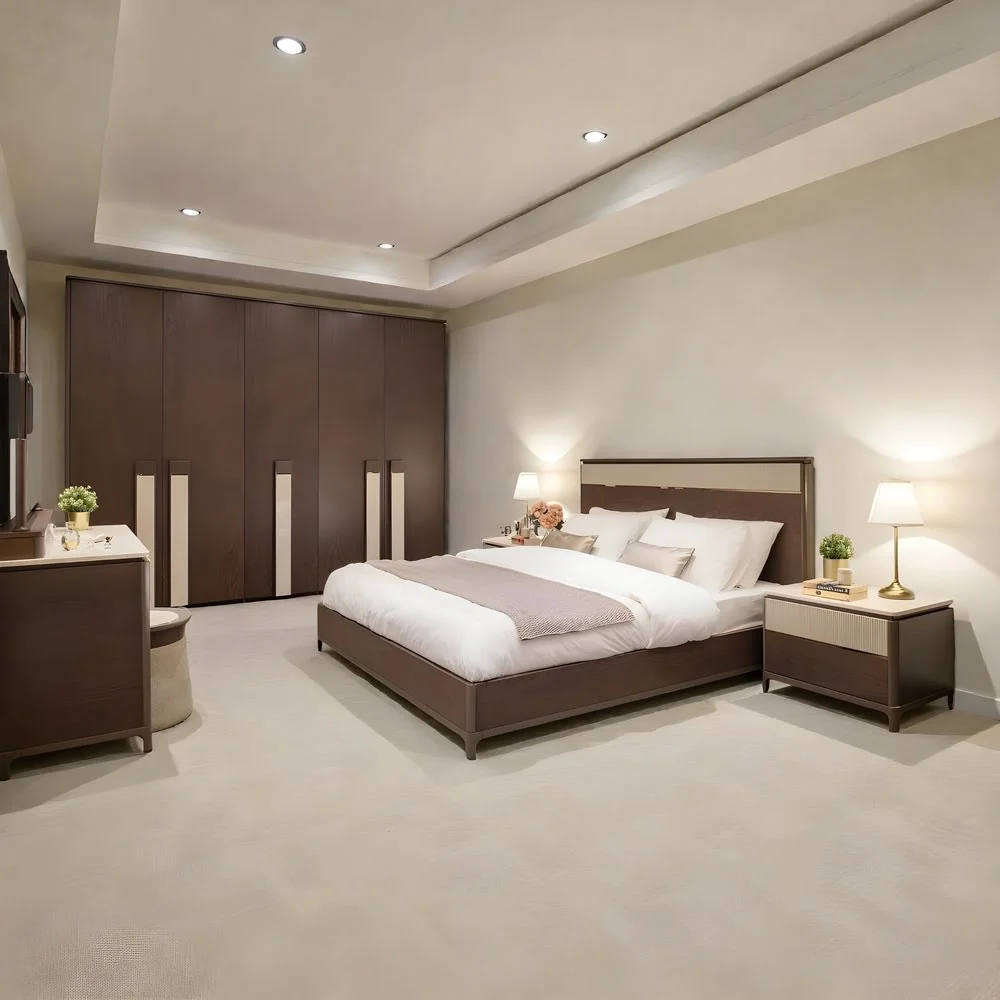
Creating a master bedroom that feels like a personal sanctuary is more than just arranging furniture—it’s about curating an experience. In 2026, bedroom design trends are evolving toward comfort-driven luxury, smart functionality, and emotionally soothing aesthetics. Whether you’re designing from scratch or upgrading your existing space, a thoughtful approach can transform your bedroom into a place where style meets serenity. Here’s a detailed guide to help you build a dreamy master bedroom with intention and elegance.
1. Start with a Clear Vision
Every great design begins with clarity. Before choosing materials or colors, define the mood you want your bedroom to evoke. In 2026, homeowners are leaning toward calming environments inspired by nature, minimalism, and wellness. Think soft textures, earthy palettes, and layered lighting. A clear vision helps guide every decision, ensuring cohesion throughout the space.
2. Choose the Right Color Palette
Color has a powerful impact on mood and sleep quality. Neutral tones like warm beige, soft greys, muted greens, and off-whites are dominating modern bedroom designs. These shades create a calming atmosphere and allow flexibility when layering décor elements. Accent tones such as terracotta or deep navy can be introduced subtly through textiles and accessories.
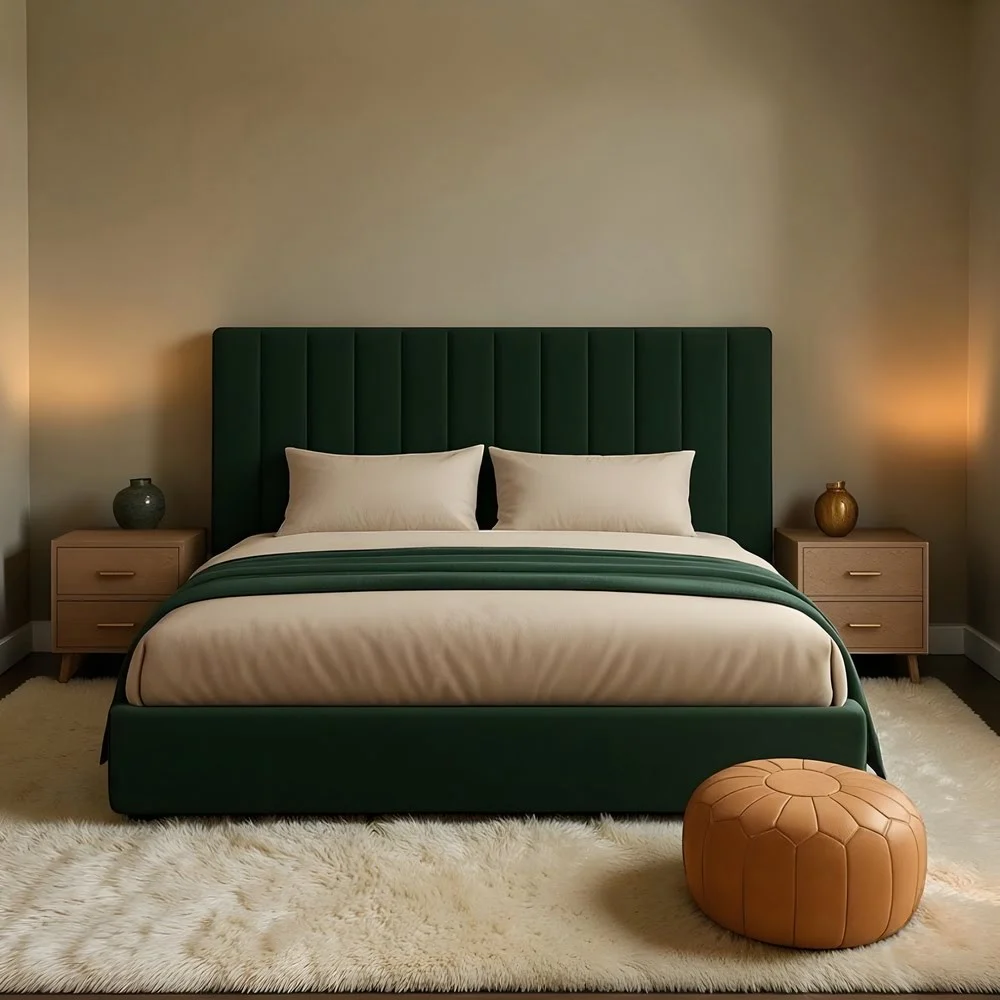
3. Invest in a Statement Bed
The bed is the centerpiece of your master bedroom. In 2026, upholstered headboards, curved silhouettes, and textured fabrics are trending. Opt for a bed that balances comfort with visual appeal. A well-designed bed not only enhances aesthetics but also improves sleep quality, making it a worthwhile investment.
4. Prioritize High-Quality Bedding
Luxury is often found in the details. Premium bedding materials like Egyptian cotton, linen blends, and bamboo fabrics are popular for their breathability and comfort. Layering is key—combine duvets, throws, and cushions to create a plush, inviting look.
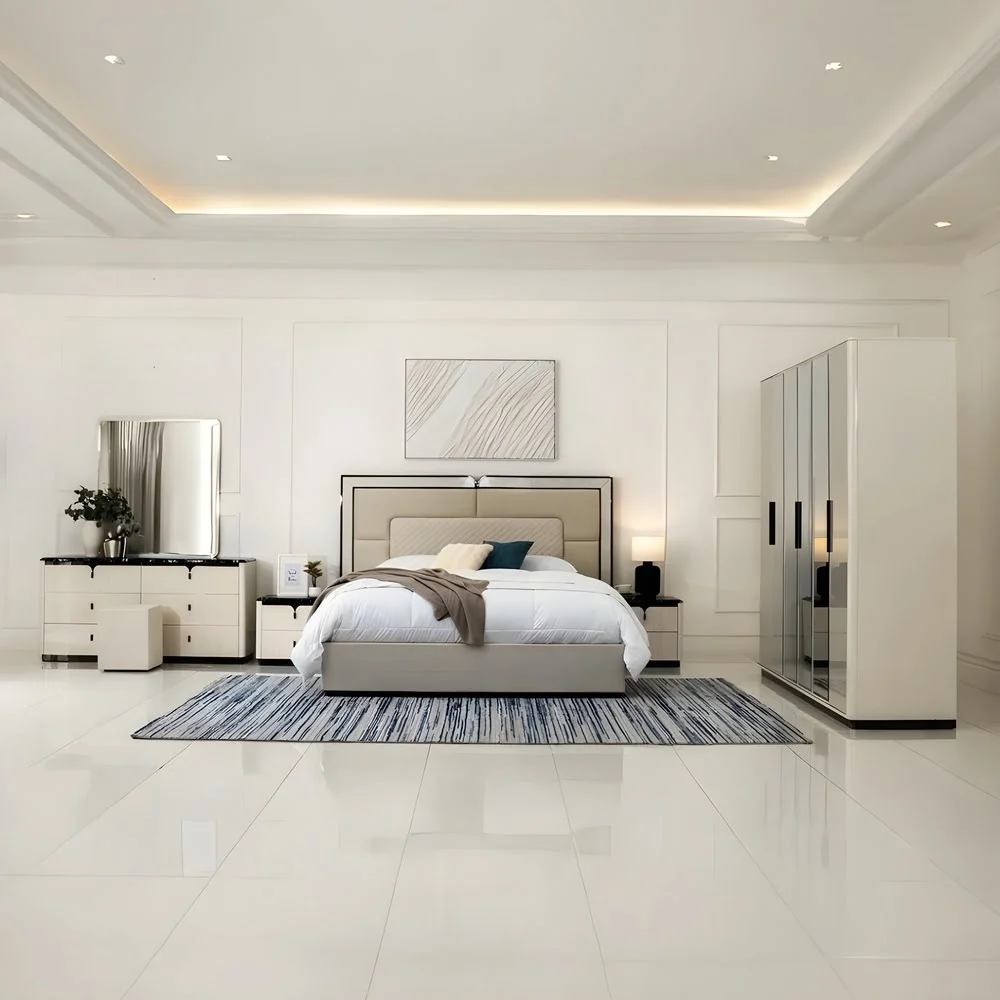
5. Optimize Layout for Space and Flow
A dreamy bedroom isn’t just about beauty—it’s about functionality. Ensure there is enough space to move comfortably around the room. Avoid overcrowding and focus on balance. The placement of furniture should enhance both accessibility and visual harmony.
7. Layer Lighting for Ambience
Lighting plays a crucial role in setting the mood. A combination of ambient, task, and accent lighting creates depth and flexibility.
Soft, warm lighting is preferred to create a relaxing atmosphere, especially in the evening.
8. Add Texture for Depth
A visually appealing bedroom relies on texture as much as color. Mixing materials such as wood, fabric, metal, and glass adds richness to the space. Rugs, curtains, and upholstered furniture contribute to a layered and cozy environment.
9. Incorporate Nature-Inspired Elements
Biophilic design continues to dominate in 2026. Bringing elements of nature indoors enhances well-being and creates a soothing environment. Indoor plants, natural wood finishes, and organic fabrics can make the space feel more alive and refreshing.
10. Focus on Window Treatments
Curtains and blinds are not just functional—they frame the room. Opt for layered window treatments that allow light control while adding softness to the space. Sheer curtains paired with heavier drapes are a popular combination for both style and practicality.
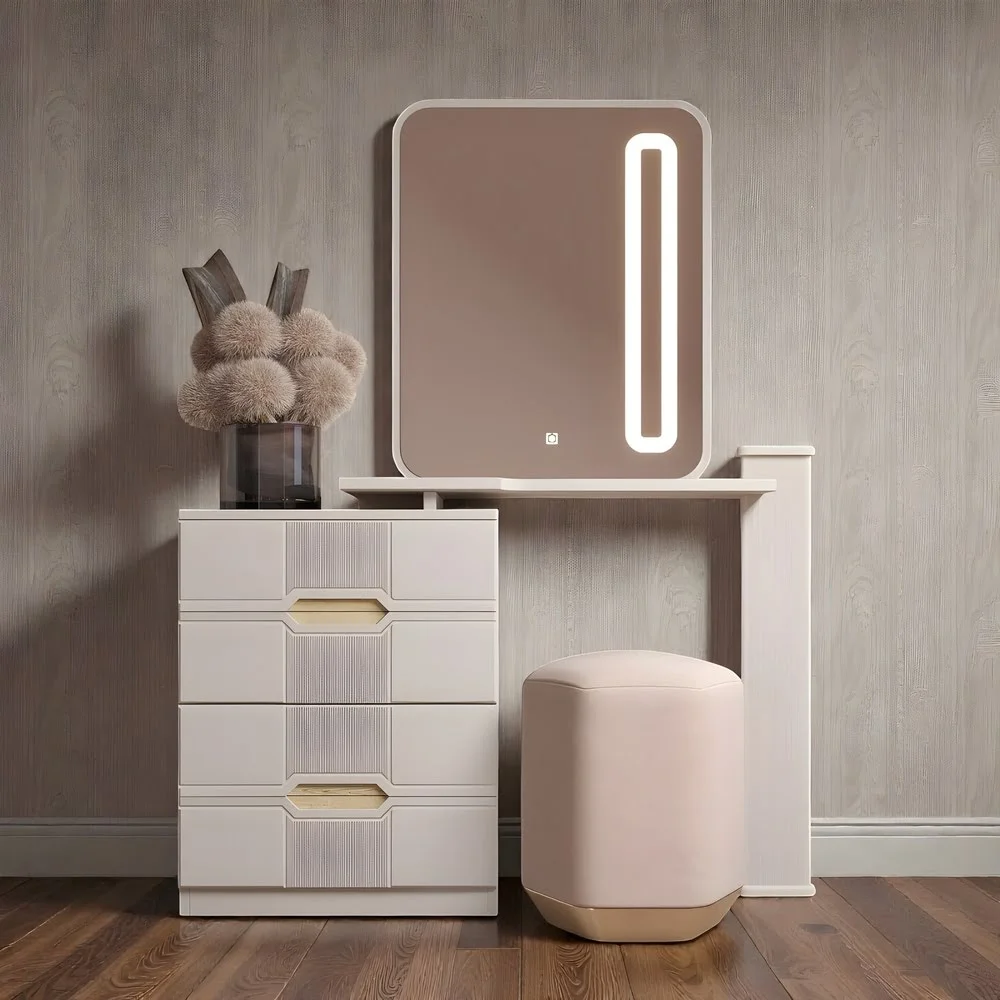
11. Personalize with Art and Décor
Your master bedroom should reflect your personality. Artwork, decorative objects, and meaningful pieces add character and warmth. Avoid overcrowding walls; instead, choose a few impactful elements that complement the overall design.
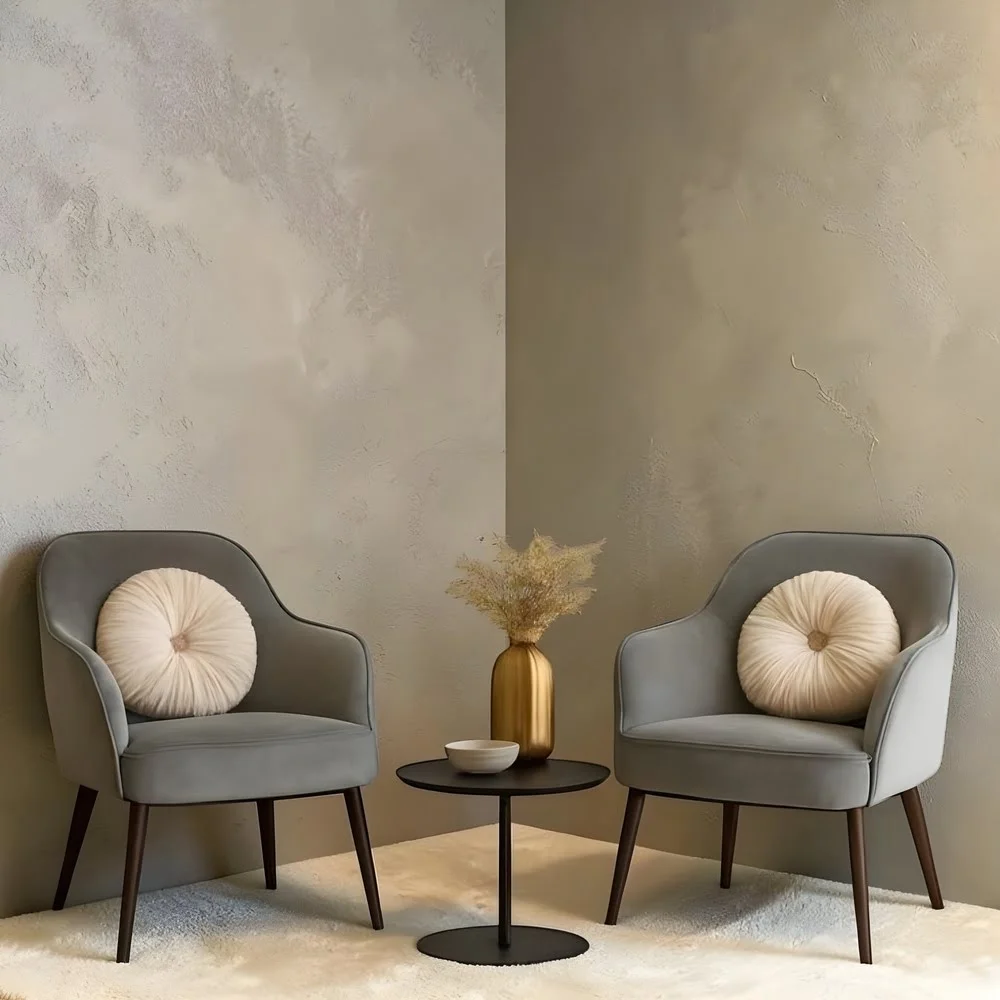
12. Create a Relaxation Corner
If space allows, consider adding a small seating area. A cozy chair or a bench at the foot of the bed can serve as a reading nook or a quiet place to unwind. This enhances the functionality of the bedroom beyond just sleeping.
13. Integrate Smart Technology
Modern bedrooms are becoming smarter. Automated lighting, climate control, and smart curtains improve convenience and comfort. Technology should be subtle and integrated seamlessly into the design without disrupting the aesthetic.
14. Maintain Balance and Symmetry
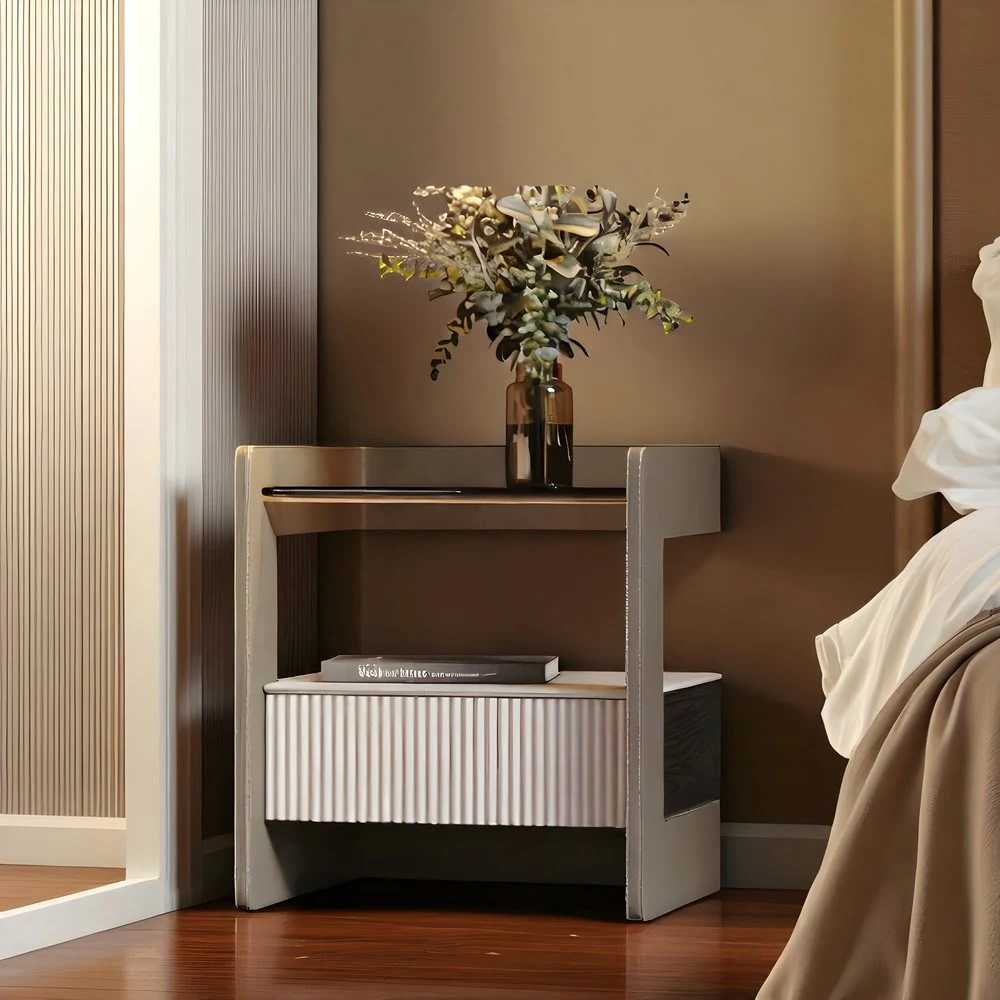
Symmetry creates a sense of order and calm. Matching bedside tables, balanced lighting, and aligned décor elements contribute to a harmonious look. While asymmetry can be used creatively, balance remains key to achieving a polished design.
15. Keep Comfort at the Core
Ultimately, a dreamy bedroom is defined by how it feels. Every design choice should prioritize comfort—whether it’s the softness of the mattress, the warmth of lighting, or the arrangement of furniture. A beautiful room that lacks comfort will never feel complete.
Key Elements Comparison Table
Final Thoughts
Designing a master bedroom in 2026 is about blending aesthetics with purpose. It’s not just about following trends but creating a space that aligns with your lifestyle and enhances your well-being. By focusing on comfort, thoughtful design, and subtle luxury, you can transform your bedroom into a dreamy retreat that feels both timeless and modern.
FAQs
The bed is the most important element, as it serves as both the functional and visual centerpiece of the room.
Neutral and soft tones like beige, grey, and muted greens are ideal for creating a calming environment.
Use light colors, mirrors, minimal furniture, and smart storage solutions to maximize space and create an open feel.
It’s not essential, but it enhances convenience and can improve comfort through features like automated lighting and climate control.
Incorporate hidden storage, regularly declutter, and avoid unnecessary furniture or décor.
Layered lighting with warm tones is ideal, combining ambient, task, and accent lighting.
Focus on high-quality bedding, add textured fabrics, and use strategic lighting to elevate the overall look without overspending.
Blog
Get fresh home inspiration and helpful tips from our interior designers