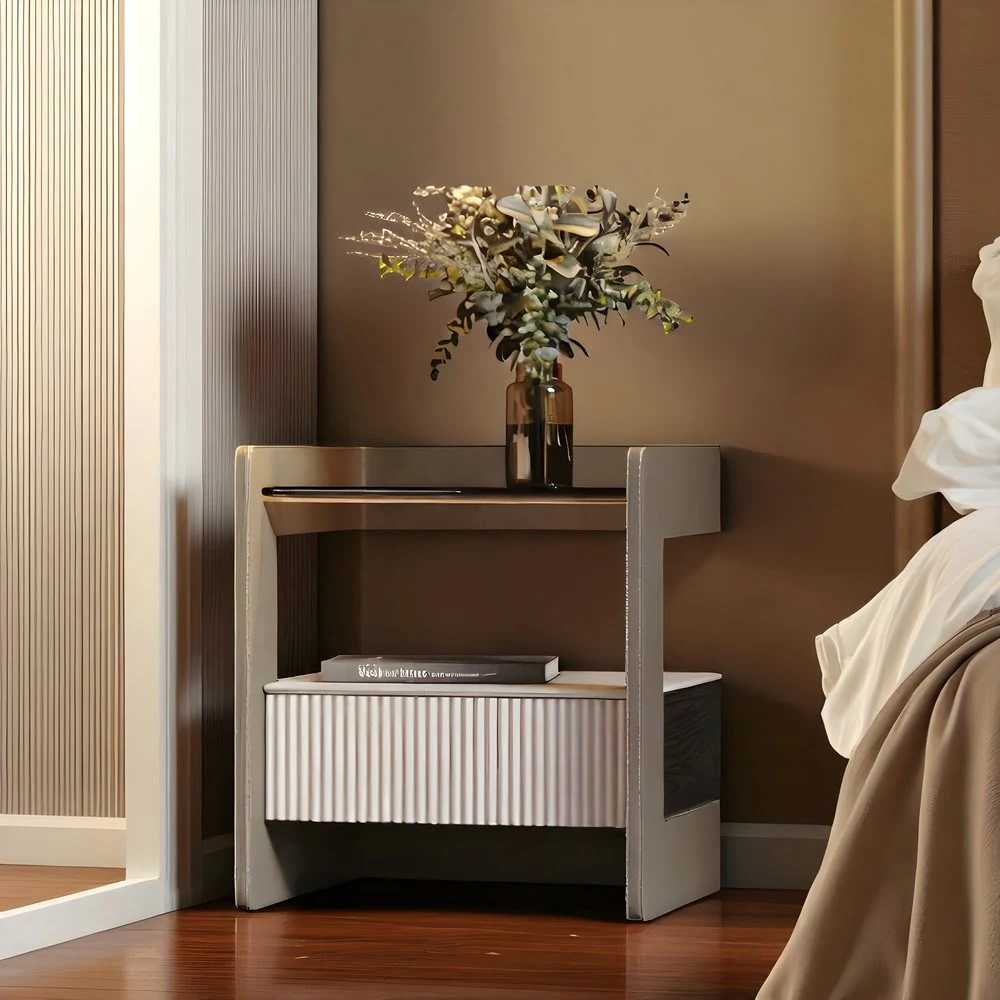
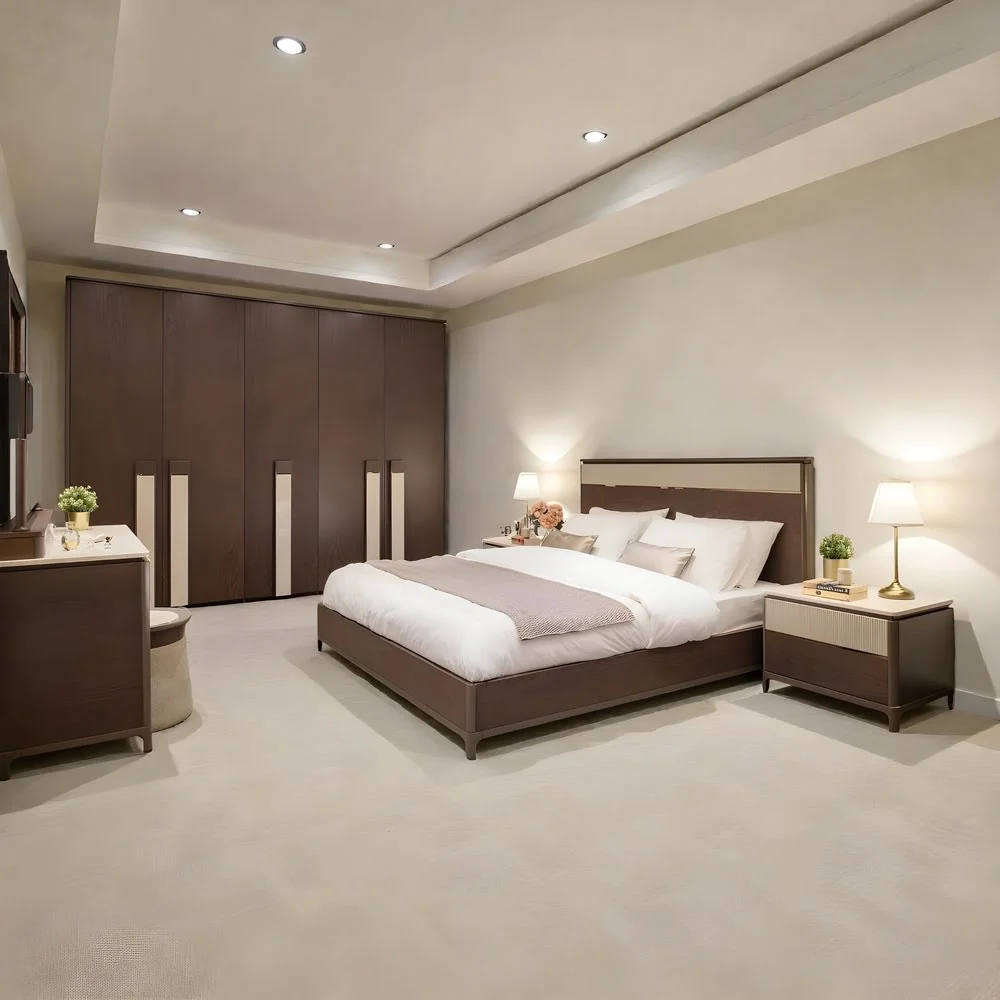
In contemporary interiors, furniture is no longer just about function—it’s about storytelling, flexibility, and intelligent design. One such piece that has quietly evolved into a design hero is the sideboard. Traditionally used in dining areas, a sideboard is now a versatile, multi-room essential that blends storage with style. Defined as a low, elongated cabinet with drawers and doors, it offers both concealed storage and a display surface, making it ideal for modern homes .
As we step into 2026, sideboards are no longer confined to a single role. They are becoming statement pieces, storage solutions, and design anchors across living rooms, bedrooms, entryways, and even workspaces. This blog explores creative and practical ways to use a sideboard in your home, helping you maximize both aesthetics and functionality.
The Evolution of the Sideboard in Modern Homes
Historically, sideboards were rooted in dining culture, serving food and storing dinnerware. Over time, their design adapted to modern living needs. Today, they are used across multiple spaces, reflecting a shift toward multifunctional furniture that supports compact, stylish living.
Modern sideboards are designed to do two things exceptionally well: hide clutter and elevate décor. With urban homes becoming more space-conscious, furniture that offers both storage and visual appeal is increasingly valuable. Designers now treat sideboards as focal points rather than background furniture, incorporating textures, finishes, and bold forms.
Why Sideboards Are Essential in 2026 Interiors
Before diving into creative uses, it’s important to understand why sideboards have become so relevant today.
|
Feature
|
Benefit in Modern Homes
|
|---|---|
This combination of practicality and style explains why interior designers increasingly recommend sideboards as must-have furniture pieces.
Creative Ways to Use a Sideboard in Your Home
1. A Statement Dining Companion
The most classic use remains one of the most effective. In dining spaces, a sideboard can store crockery, glassware, and linens while acting as a serving station during gatherings.
However, in 2026, it goes beyond utility. Styling plays a major role. Think layered décor—artwork, sculptural vases, and ambient lighting. A well-styled sideboard transforms a simple dining room into a refined entertaining space.
2. A Stylish Living Room Anchor
In living rooms, sideboards are increasingly replacing bulky TV units or extra cabinets. Their low profile keeps the space open while offering ample storage for everyday items like remotes, books, and electronics.
Designers often use sideboards to anchor large walls. When paired with artwork or mirrors, they create a balanced visual composition that enhances the room’s depth and sophistication.
3. Entryway Organizer with Impact
First impressions matter, and a sideboard in the entryway sets the tone for your entire home. It serves as a practical drop zone for keys, bags, and essentials while keeping clutter out of sight.
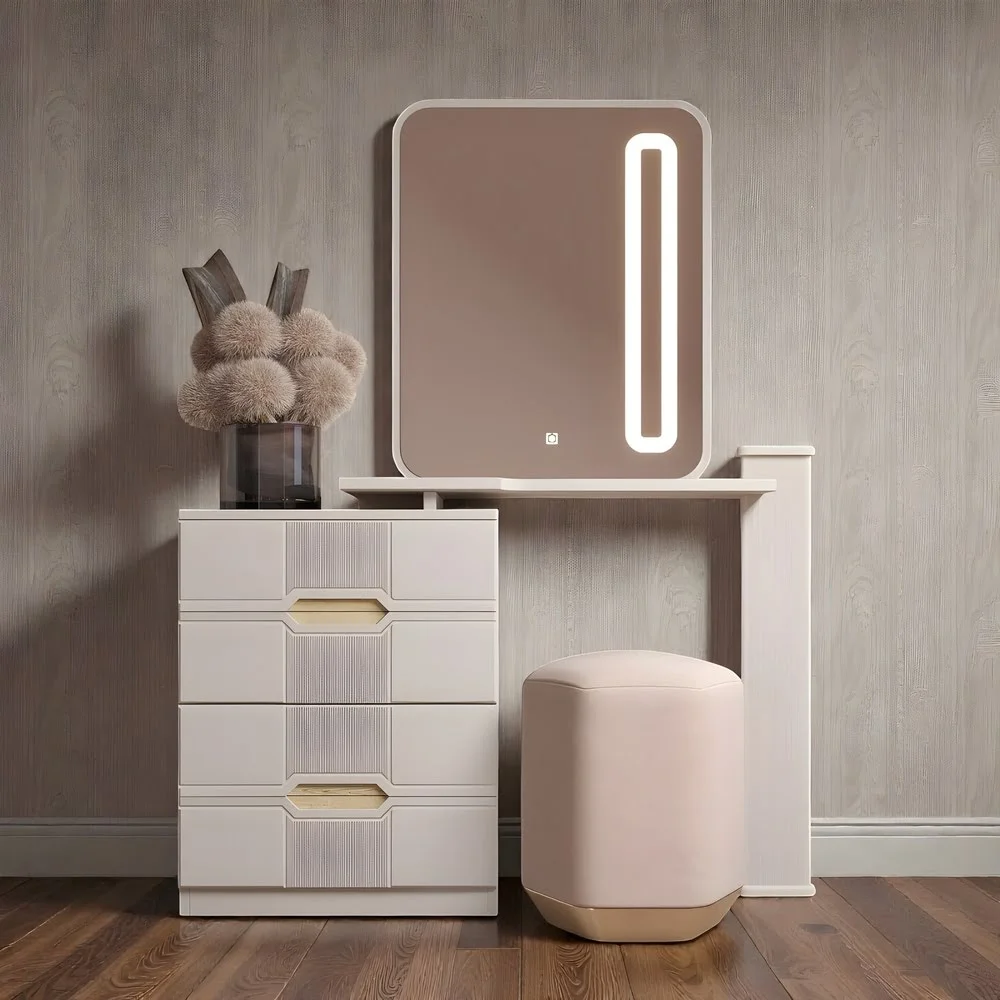
Adding a mirror above the sideboard not only enhances functionality but also creates an illusion of a larger, brighter space. This combination is especially effective in compact urban homes.
4. A Chic Home Bar or Coffee Station
One of the most creative transformations is turning a sideboard into a home bar or coffee station. The compartments can store glassware, bottles, or coffee essentials, while the top becomes a stylish serving area.
This setup works particularly well in open-plan homes, where dedicated bar spaces may not be feasible. It adds a social and luxurious element without requiring extra space.
5. Bedroom Storage with Elegance
Sideboards are making their way into bedrooms as alternatives to traditional dressers. Their sleek design provides storage for clothing, accessories, or bedding while maintaining a clean aesthetic.
They also double as display surfaces for personal décor, such as framed photos, candles, or art pieces, adding warmth and personality to the room.
6. Functional Home Office Credenza
With remote work becoming more common, sideboards are increasingly used in home offices. They act as credenzas, storing files, office supplies, and tech accessories.
This helps maintain a clutter-free workspace, which is essential for productivity. The top surface can also hold decorative items, making the office feel less rigid and more inviting.
7. Hallway Space Optimizer
Hallways are often underutilized, but a slim sideboard can transform them into functional areas. It provides storage without obstructing movement, making it ideal for narrow spaces.
Decorative accents on top—such as sculptures or plants—add character and prevent the hallway from feeling empty or forgotten.
8. A Decorative Display Hub
Sideboards excel as display units. Their surface offers the perfect platform for showcasing art, books, plants, or collectibles.
Interior experts suggest combining items of different heights and textures to create visual interest while avoiding clutter. This balance enhances the overall aesthetic of the room
Styling a Sideboard: Design Tips for 2026
Styling is what transforms a sideboard from functional to exceptional. Here are key principles to follow:
A well-styled sideboard should feel curated, not cluttered.
Choosing the Right Sideboard for Your Space
Selecting the right piece is crucial to achieving both functionality and aesthetic harmony.
Size Matters
Ensure the sideboard fits the wall proportionally. It should neither overwhelm the space nor appear too small.
Storage Configuration
Choose between drawers, cabinets, or a mix based on your storage needs.
Material & Finish
Wood offers warmth, while glossy or glass finishes add a modern touch. Textured designs, such as fluted or rattan fronts, are trending in 2026.
Placement Strategy
Leave enough space around the piece for visual breathing room. Proper placement enhances its impact.
Modern Trends in Sideboard Design (2026)
Sideboards are evolving with design trends. Some key trends include:
- Minimalist silhouettes with clean lines
- Natural materials like oak and walnut
- Textured finishes such as fluted panels
- Multi-functional modular designs
- Bold statement pieces with unique shapes
These trends reflect a shift toward furniture that combines elegance with everyday usability.
Benefits of Using a Sideboard
Sideboards are one of the few furniture pieces that seamlessly combine beauty and practicality.
Conclusion
In 2026, the sideboard is no longer just a storage cabinet—it’s a design statement, a functional asset, and a creative opportunity. Whether placed in a dining room, living space, or entryway, it adapts effortlessly to modern lifestyles.
By choosing the right design and styling it thoughtfully, a sideboard from CH Furniture can transform your home into a space that feels organized, elegant, and uniquely yours.
FAQs
It depends on your space. Ideally, it should align proportionally with the wall and leave some breathing room on both sides.
Absolutely. Their compact design and multi-functionality make them ideal for apartments and smaller spaces.
Yes, many homeowners use sideboards as stylish alternatives to traditional TV units due to their low height and storage capacity.
A sideboard is primarily used for storage and display. It helps organize household items while providing a surface for décor or serving.
Yes, modern sideboards are highly versatile and can be used in living rooms, bedrooms, entryways, and home offices.
Use a mix of decorative elements like art, lamps, and plants. Keep balance and avoid overcrowding the surface.
Blog
Get fresh home inspiration and helpful tips from our interior designers