Relocating to Dubai is an exciting journey, but one of the first real challenges expats face is turning an empty apartment or villa into a comfortable home. Unlike settling in your home country, furnishing in Dubai often requires quick decisions, budget planning, and a clear understanding of space, lifestyle, and long-term plans. Many expats arrive with minimal belongings, making furniture selection an essential part of their relocation experience.
In a city known for its fast-paced lifestyle, diverse housing options, and unique interior trends, furnishing your home is not just about buying furniture—it is about creating a space that balances practicality, comfort, and personal style.
Understanding the Dubai Housing Landscape
Before purchasing any furniture, expats must first understand the type of home they are moving into. Dubai offers a wide range of residential options, from compact studio apartments to expansive villas, each requiring a different furnishing approach.
Apartments in areas like Marina or Business Bay tend to feature modern layouts with limited space, while villas in suburban communities provide more flexibility for larger furniture pieces. The size and layout of your home will directly influence your furniture choices, especially when it comes to sofas, beds, and storage solutions.
Typical Home Sizes and Furniture Needs
| Property Type | Average Size | Furniture Strategy |
|---|---|---|
|
Studio / 1BHK |
600–900 sq. ft |
Compact, multi-functional furniture |
|
2–3 Bedroom Apartment |
1,200–1,800 sq. ft |
Balanced mix of style and functionality |
|
Villa / Townhouse |
2,500+ sq. ft |
Larger statement pieces and layered décor |
Many expats make the mistake of purchasing furniture before fully understanding their space, which can lead to overcrowded rooms or underutilized areas. Measuring rooms, doorways, and elevators is crucial in Dubai, where building layouts can limit furniture delivery options.
Choosing the Right Furnishing Approach
Expats in Dubai typically follow one of three furnishing strategies depending on their duration of stay: renting furniture, buying affordable pieces, or investing in long-term quality items.
Short-term residents often prefer rental furniture or modular options that are easy to move and assemble. Mid-term expats usually choose budget-friendly furniture that balances cost and comfort, while long-term residents invest in high-quality, durable pieces.
This flexibility is essential because Dubai’s expat population is highly mobile, and furniture needs may change with each relocation.
Furnishing Options Comparison
| Option | Best For | Advantages | Limitations |
|---|---|---|---|
|
Furniture Rental |
Short-term stays |
Low upfront cost, flexible |
Limited customization |
|
Budget Furniture |
Mid-term stays |
Affordable, quick setup |
May lack durability |
|
Premium / Custom Furniture |
Long-term residents |
High quality, personalized |
Higher cost |
Custom or bespoke furniture is becoming increasingly popular among expats because it allows them to adapt to unique layouts and create personalized interiors that reflect their lifestyle
Budgeting for Furniture in Dubai
Setting a realistic budget is one of the most important steps when furnishing your home. Costs can vary widely depending on the size of your home, your design preferences, and whether you choose new or second-hand furniture.
Estimated Furnishing Costs in Dubai
| Home Type | Style Level | Estimated Budget (AED) |
|---|---|---|
|
1 Bedroom Apartment |
Minimalist |
10,000 – 15,000 |
|
2 Bedroom Apartment |
Contemporary |
18,000 – 25,000 |
|
Villa |
Fully Furnished |
35,000 – 50,000+ |
These estimates highlight the importance of prioritizing essential furniture first, such as beds, sofas, and dining tables, before moving on to decorative items.
For those looking to save money, second-hand markets offer excellent value. Many expats sell their furniture when leaving Dubai, often at significantly reduced prices.
“You’ll find barely-used furniture at 50–70% off”
This makes platforms like Dubizzle and community groups a practical option for budget-conscious newcomers.
Smart Furniture Buying Strategy
Furnishing a home in Dubai should be approached strategically rather than impulsively. One of the most common mistakes expats make is buying everything at once, which often results in mismatched interiors and unnecessary expenses.
A smarter approach is to start with foundational pieces and gradually build your home’s aesthetic.
Essential First Purchases
Instead of rushing, focus on acquiring items that directly impact comfort and daily living:
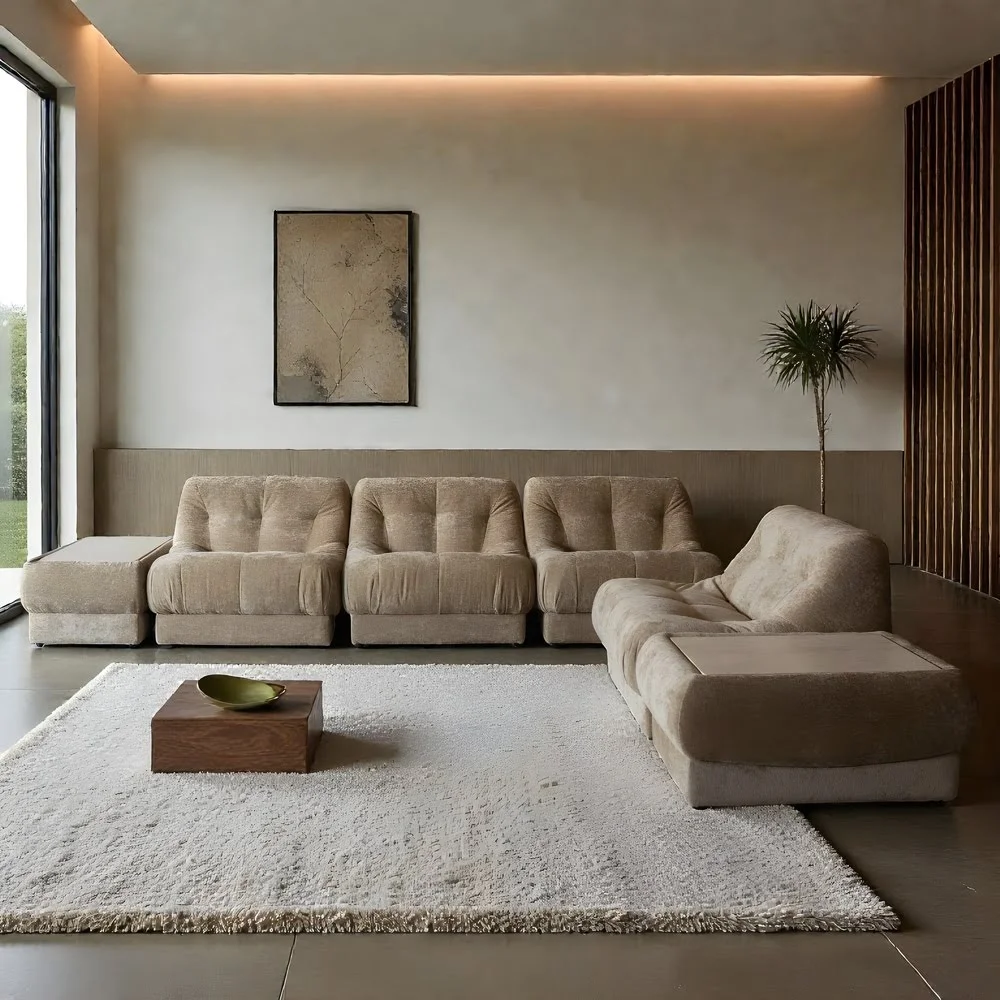
- A comfortable sofa suited to Dubai’s climate
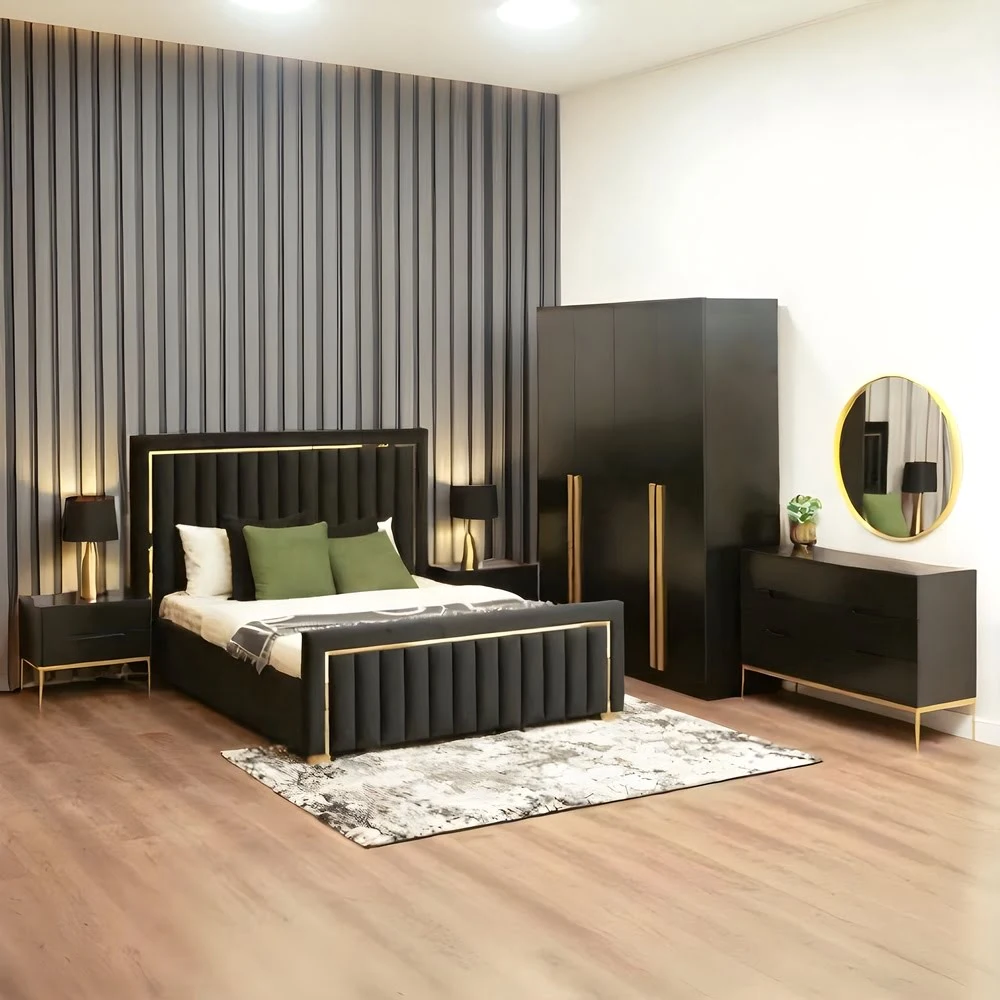
- A functional bed with storage
- A compact dining table
- Basic storage units
Once these essentials are in place, you can gradually introduce décor elements like rugs, artwork, and lighting.
Lighting, in particular, plays a crucial role in Dubai homes, where many apartments come with basic overhead lighting that may feel harsh. Adding floor lamps or warm lighting can significantly improve the ambiance.
Designing for Dubai’s Climate and Lifestyle
Dubai’s climate is a major factor in furniture selection. High temperatures, humidity, and constant air conditioning can affect materials over time.
Choosing the right materials ensures durability and comfort.
Recommended Materials for Dubai Homes
| Furniture Type | Recommended Materials | Why It Works |
|---|---|---|
|
Sofas |
Linen, cotton blends |
Breathable and heat-resistant |
|
Outdoor Furniture |
Treated wood, resin, metal |
UV-resistant and durable |
|
Storage Units |
Engineered wood |
resistant to humidity |
|
Tables |
Solid wood or marble |
Long-lasting and stylish |
UV exposure can quickly damage untreated furniture, especially for outdoor use, making material selection a critical decision.
Maximizing Space in Apartments
Many expats live in apartments where space optimization is essential. Smart furniture choices can make even small spaces feel open and functional.
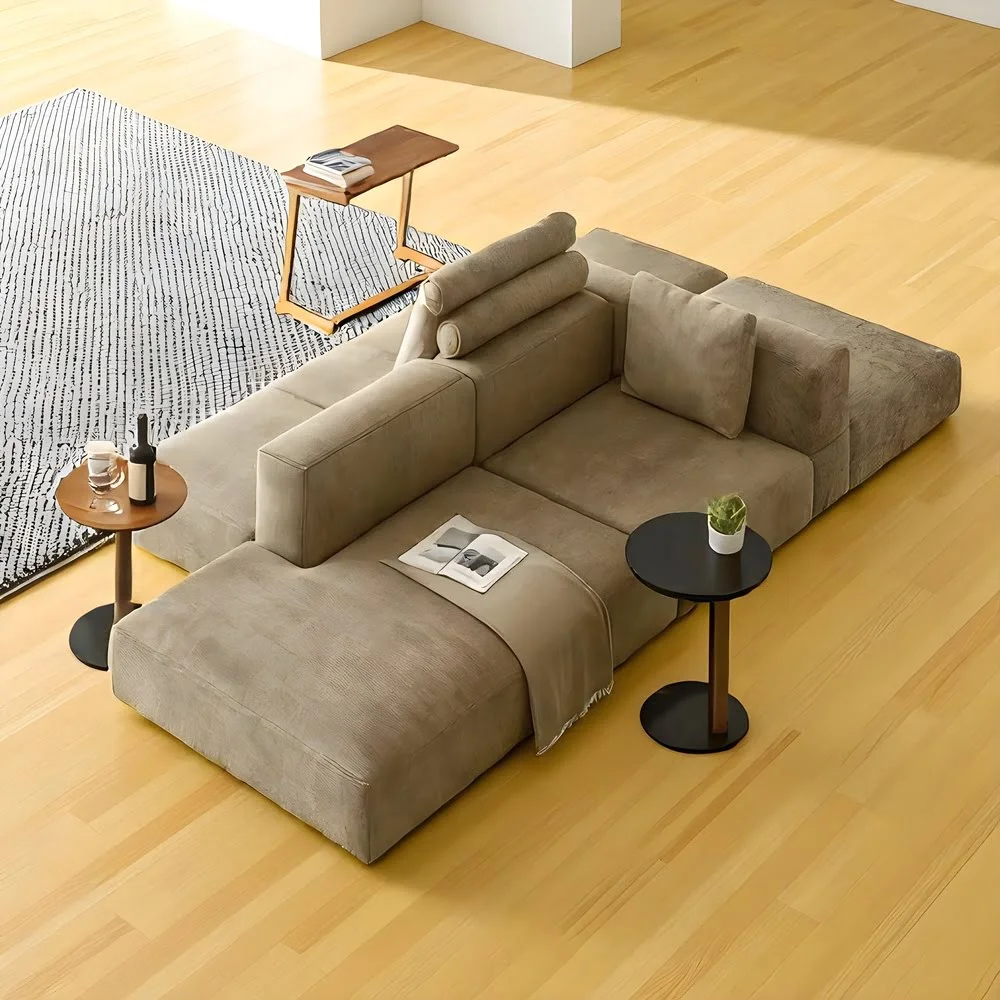
Multi-purpose furniture, such as sofa beds, extendable dining tables, and wall-mounted storage, is particularly useful in compact homes.
Vertical storage solutions also help maximize available space without cluttering the room.
Designing with simplicity in mind—choosing fewer but more impactful pieces—can make a significant difference in how your home feels.
Creating a Cohesive Interior Style
One of the biggest challenges for expats is maintaining a consistent design theme throughout the home. Buying furniture from different stores or countries can lead to a mismatched look.
To avoid this, it is important to establish a clear design direction from the beginning.
A cohesive home does not mean identical furniture in every room but rather a consistent color palette, material choice, and design language.
For example, using similar wood tones or repeating materials like metal accents can create visual harmony across spaces.
Where to Buy Furniture in Dubai
Dubai offers a wide range of furniture shopping options, catering to all budgets and styles.
Affordable stores provide quick solutions for new arrivals, while custom furniture makers offer tailored designs for those seeking uniqueness.
Second-hand markets are particularly popular among expats due to their affordability and availability of high-quality items.
The key is to explore multiple options before making a decision and to avoid impulse purchases.
Common Mistakes Expats Should Avoid
Furnishing mistakes can be costly and frustrating, especially in a new city. Some of the most common errors include buying furniture that does not fit, ignoring delivery logistics, and failing to plan the layout beforehand.
Another common issue is overlooking long-term needs. Furniture that seems perfect initially may not be practical if you plan to move or upgrade your home in the future.
Planning ahead and focusing on versatility can help avoid these problems.
Why CH Furniture is Ideal for Expats
For expats seeking a balance between affordability, quality, and modern design, CH Furniture provides a practical solution tailored to Dubai living.
The brand focuses on offering stylish, functional furniture that suits both compact apartments and larger homes. With a variety of customizable and ready-to-deliver options, it simplifies the furnishing process for newcomers.
CH Furniture also understands the needs of expats, offering solutions that combine comfort, durability, and contemporary aesthetics, making it easier to transform a new space into a welcoming home.
Final Thoughts
Furnishing a new home in Dubai as an expat is both a challenge and an opportunity. It allows you to create a personalized living space that reflects your lifestyle while adapting to a new environment.
By understanding your space, setting a clear budget, and choosing the right furniture strategy, you can avoid common pitfalls and build a home that is both functional and stylish.
The key lies in planning, prioritizing essentials, and gradually shaping your interior over time.
FAQs
Most frequent questions and answers
It depends on the duration of stay. Short-term residents benefit from renting, while long-term expats should consider investing in quality furniture.
Costs typically range from AED 10,000 for small apartments to over AED 50,000 for villas, depending on style and quality.
Affordable options include budget retailers, second-hand marketplaces, and warehouse outlets offering discounted furniture.
Start with essentials such as a bed, sofa, dining table, and storage units before adding decorative items.
Yes, many expats sell high-quality furniture at discounted prices, making it a cost-effective choice.
Breathable fabrics, treated wood, and UV-resistant materials are ideal for durability in Dubai’s conditions.
Use multi-functional furniture, vertical storage, and minimal décor to create a spacious feel.
Blog
Get fresh home inspiration and helpful tips from our interior designers