In modern interior design, a single striking element can define the entire character of a room. Whether it’s an eye-catching sofa, a sculptural chair, an ornate bed frame, or a dramatic light fixture, a statement piece has the power to anchor a space and shape the mood. However, designing around such a standout feature requires balance. Without careful planning, the room can feel overcrowded or chaotic rather than harmonious and intentional.
At CH Furniture, we believe that the key to successful interior design lies in balance, harmony, and thoughtful curation. In this guide, we explore how to design a room around a statement piece without overcrowding, ensuring your space feels curated rather than cluttered.
Understanding What a Statement Piece Is
A statement piece is any furniture item or décor element that commands attention the moment someone enters the room. It can be bold in color, unique in shape, rich in texture, or impressive in scale. The purpose of a statement piece is not merely to fill space but to define it.
Unlike supporting pieces, which blend quietly into the environment, a statement piece stands out. Examples include:
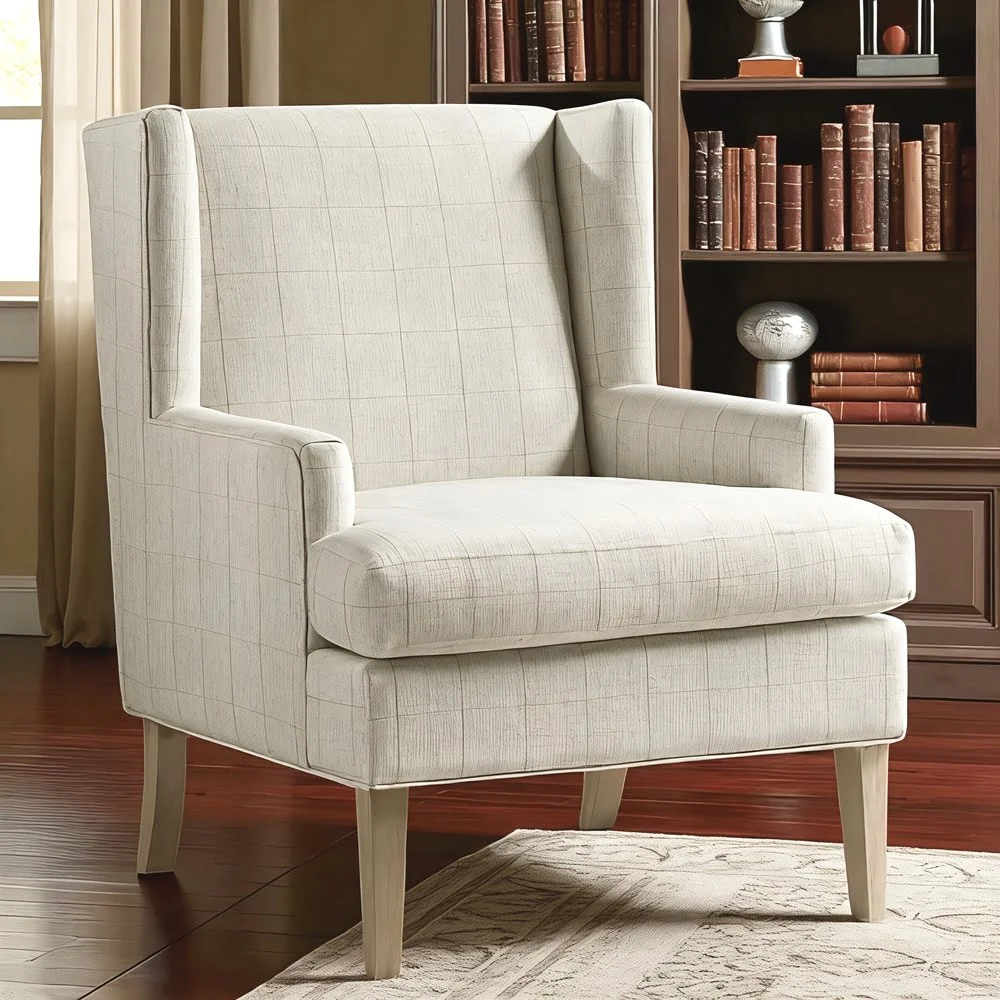
- A sculptural accent chair with an unusual silhouette
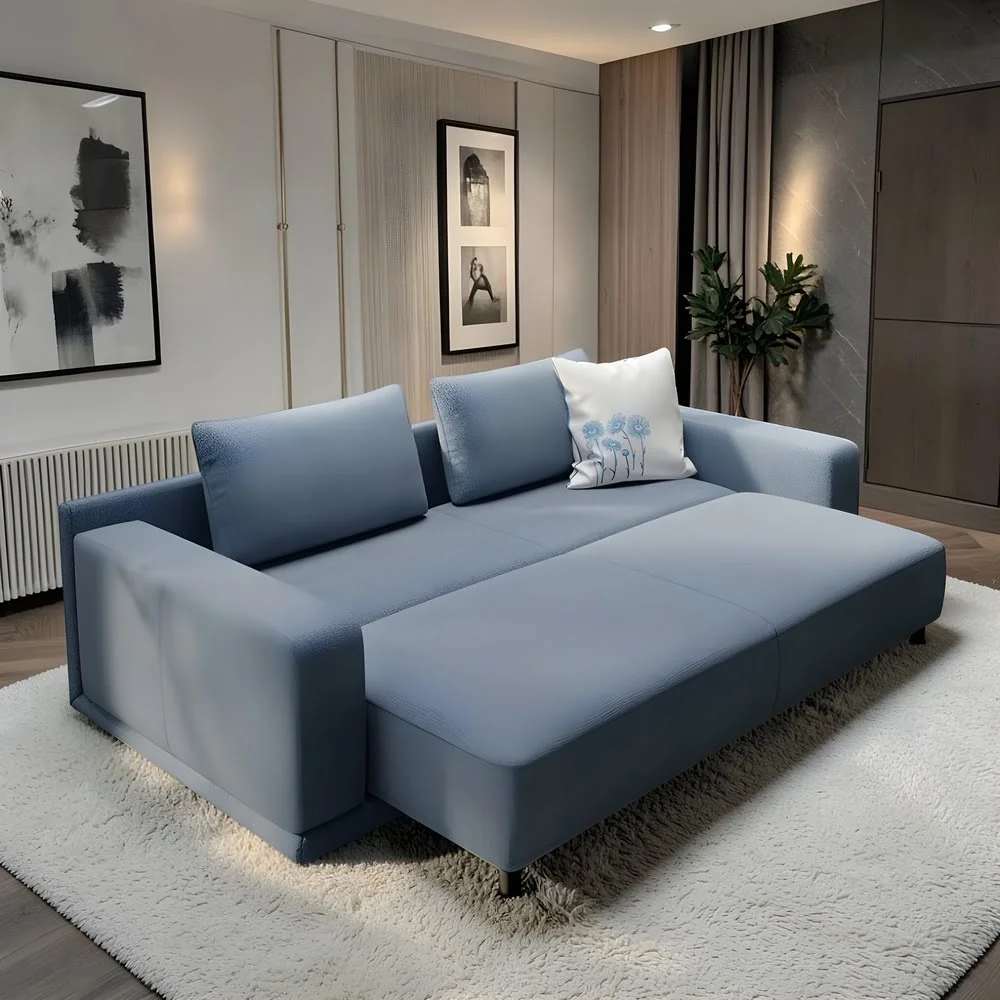
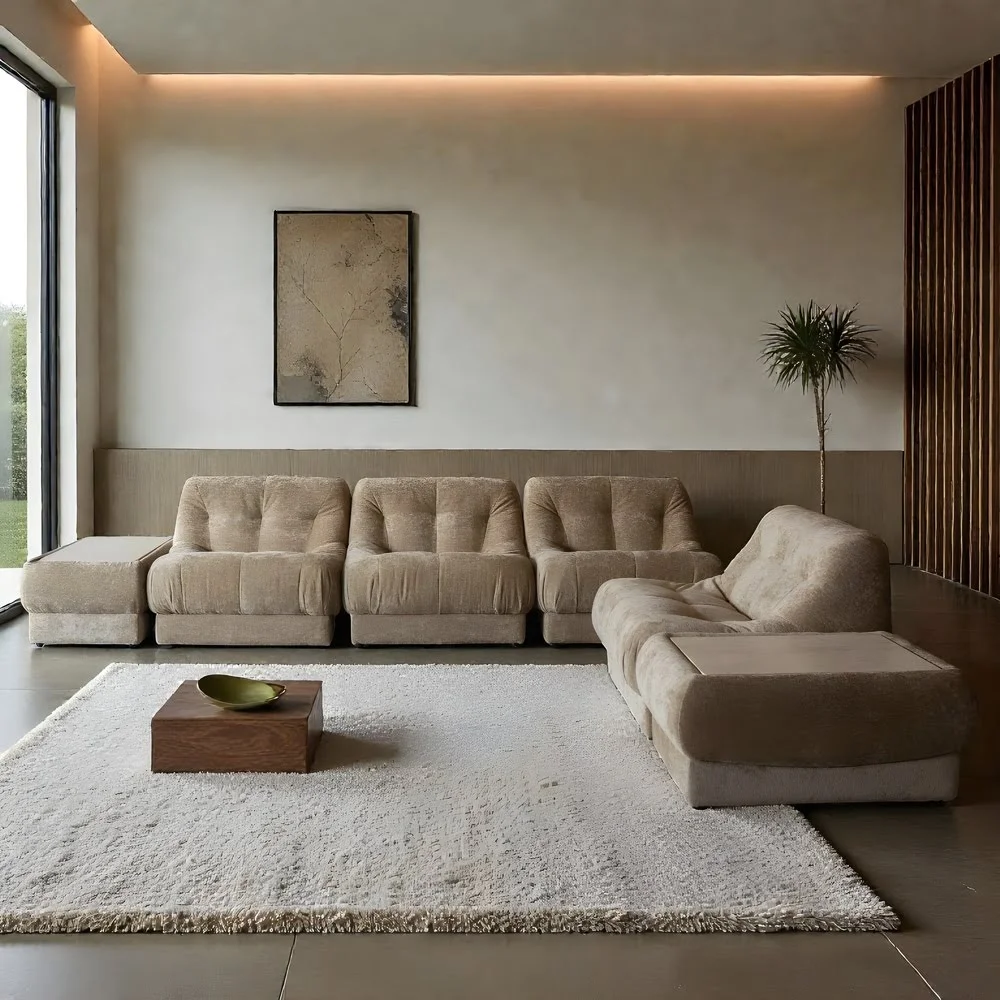
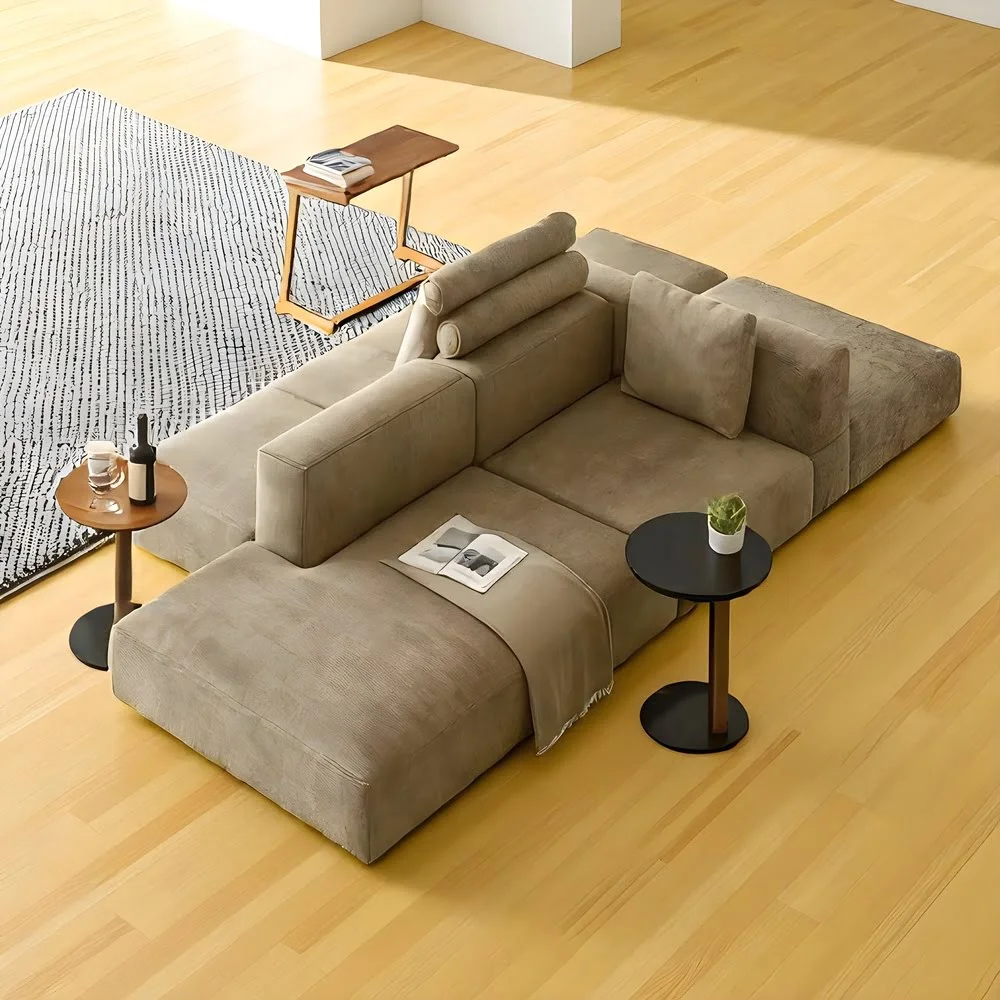
- A large velvet sectional sofa in a bold color
- An ornate coffee table or dining table
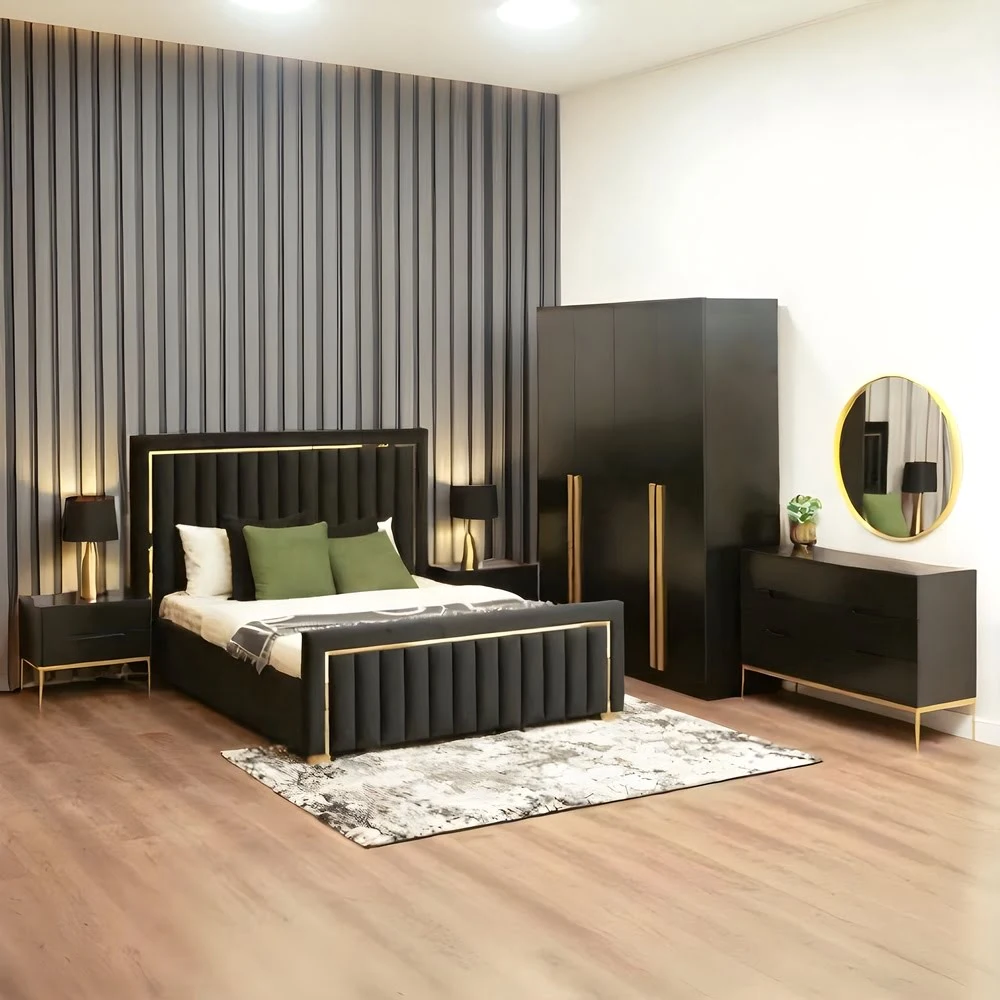
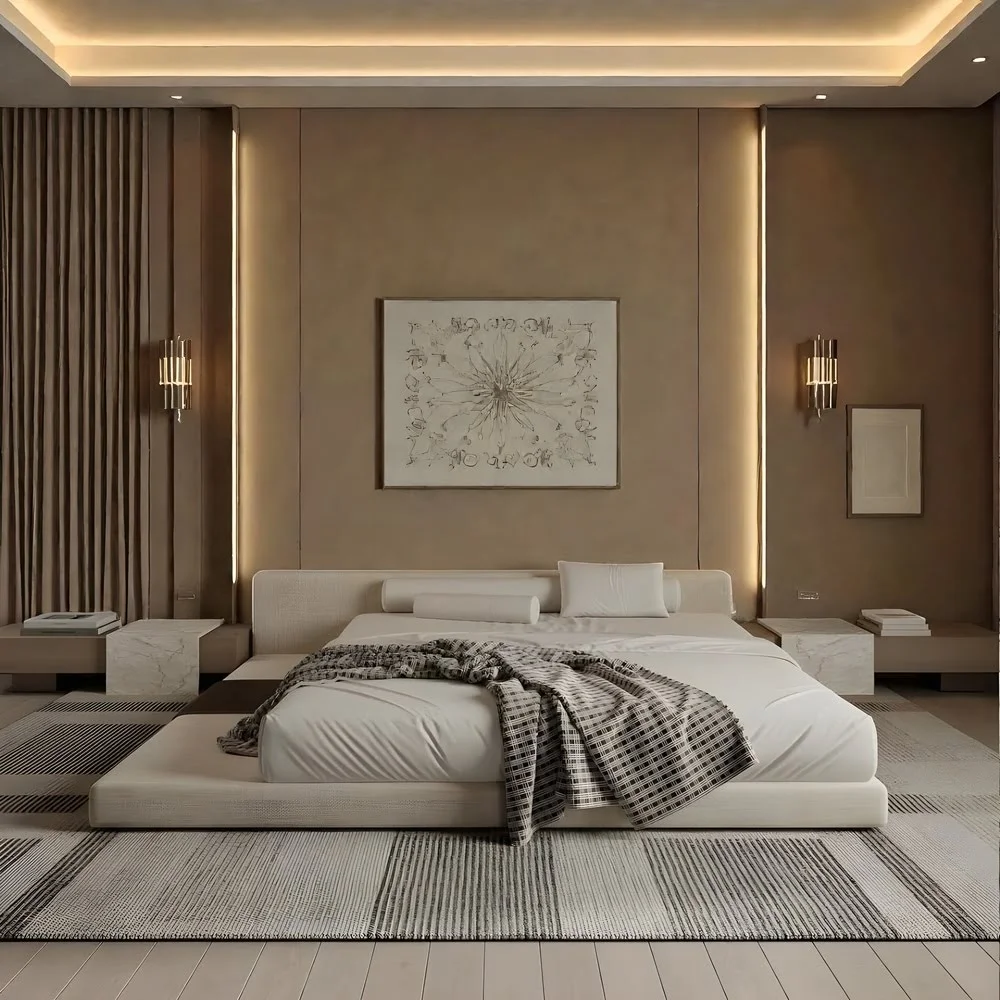
- A bed with an oversized upholstered headboard
- A distinctive chandelier or art piece
When designing around such an element, the goal is to let it shine without letting the rest of the room feel empty or, conversely, overwhelming.
Why Rooms Feel Overcrowded Around Statement Pieces
Many homeowners start with a stunning statement piece and then unintentionally overfill the room. This happens for several reasons:
- Fear of empty space
- Lack of proportion awareness
- Too many competing focal points
- Excessive layering of colors, textures, and patterns
When everything in the room demands attention, nothing truly stands out. The statement piece loses its impact, and the space feels chaotic rather than curated.
Establishing a Visual Hierarchy
Before adding any additional furniture or décor, decide what the star of the room will be. A strong visual hierarchy helps guide every design decision. When you walk into the room, your eyes should naturally land on the statement piece first.
Ask yourself:
- What is the first thing I want people to notice?
- What elements should support that focal point rather than compete with it?
Once the hierarchy is clear, it becomes easier to select complementary furniture, lighting, and accessories.
Choosing the Right Color Palette
Color plays a crucial role in balancing a bold statement piece. A common mistake is surrounding a vibrant or uniquely colored item with too many contrasting tones. This can make the room feel visually overwhelming.
Instead, consider these approaches:
- If your statement piece is bold in color, keep the surrounding palette neutral or muted.
- If the statement piece is neutral, you have more freedom to introduce subtle accent colors elsewhere.
- Limit your primary palette to two or three dominant tones to maintain cohesion.
Example Color Strategy Table
| Statement Piece Color | Recommended Surrounding Palette | Effect |
|---|---|---|
|
Deep emerald green sofa |
Beige, cream, soft grey |
Elegant and balanced |
|
Navy accent chair |
White, light wood tones |
Fresh and airy |
|
Mustard yellow sofa |
Charcoal, warm wood, off-white |
Modern and warm |
|
Neutral-toned sectional |
Muted blues or greens |
Calm and layered |
Using a restrained palette helps the statement piece remain the focal point while creating a sense of harmony.
Managing Scale and Proportion
One of the most important principles in interior design is proportion. A large statement piece demands careful consideration of scale for surrounding furniture.
If the statement piece is oversized, such as a large sectional sofa or king-size bed, avoid pairing it with bulky side tables or heavy storage units. Conversely, if the statement piece is small but visually striking, ensure surrounding furniture doesn’t dwarf it.
Scale Planning Table
| Statement Piece Size | Recommended Supporting Furniture | What to Avoid |
|---|---|---|
|
Oversized sofa |
Slim side tables, low-profile coffee table |
Bulky cabinets or oversized armchairs |
|
Statement armchair |
Light side table, floor lamp |
Large sectional nearby |
|
Dramatic bed frame |
Minimal bedside tables |
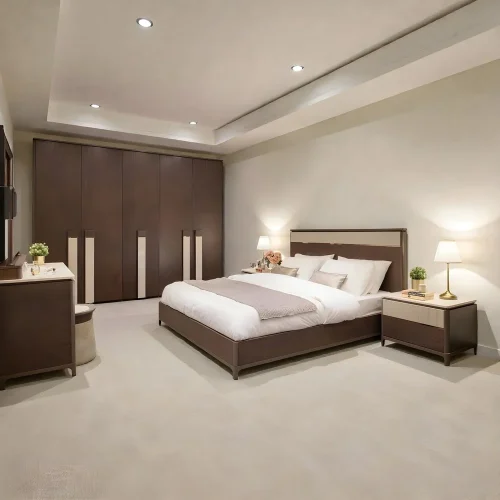
Oversized wardrobes in the same line of sight |
The Power of Negative Space
Negative space, often called breathing room, is just as important as the furniture itself. It allows the statement piece to stand out and gives the room a sense of calm.
Avoid the temptation to fill every corner. Empty space:
- Makes the room feel larger
- Draws attention to the main feature
- Enhances visual flow
Instead of adding more furniture, consider how empty space can frame and highlight the statement piece.
Supporting the Statement Piece with Complementary Textures
Texture can enhance a room without overwhelming it. Instead of adding multiple bold colors or patterns, layer different textures that subtly support the main piece.
For example, if your statement piece is a plush velvet sofa, consider pairing it with:
- A smooth wooden coffee table
- A textured area rug
- Light linen curtains
These supporting textures create depth without competing visually.
Avoiding Competing Focal Points
One of the most common design mistakes is introducing too many bold elements. If you have a dramatic sofa, adding a patterned rug, bold artwork, and vibrant curtains can overwhelm the space.
Instead, select one main statement piece and let other elements support it. If you want multiple eye-catching items, space them strategically so they don’t visually collide.
Styling with Accessories
Accessories complete the look of a room, but they must be chosen thoughtfully. Too many accessories can make the space feel cluttered.
Opt for a few carefully chosen items rather than many small pieces. For example:
- A single sculptural vase on a coffee table
- A large piece of art instead of multiple small frames
- One textured throw blanket instead of several patterned cushions
Each accessory should contribute to the overall aesthetic rather than distract from the focal point.
Maintaining Functionality
While aesthetics are important, the room must remain functional. Ensure there is enough space to move comfortably around the statement piece. Pathways should be clear, and seating arrangements should encourage natural interaction.
Functionality ensures that the room is not only beautiful but also practical for everyday use.
Bringing It All Together
Designing around a statement piece is about balance. When done thoughtfully, a bold item can transform a room, giving it personality and purpose. The key is restraint, proportion, and thoughtful selection of complementary elements.
By focusing on harmony, proportion, and intentional design choices, you can create a space that feels curated, inviting, and visually striking.
FAQs
Most frequent questions and answers
Yes, but they should be spaced out and differ in scale or function. For example, a bold sofa can coexist with a striking light fixture if they do not visually compete.
Balance it with neutral tones and simple textures to prevent visual overload.
If the eye doesn’t know where to rest or the space feels visually busy, it may be overcrowded. Remove or simplify elements until the main feature stands out.
They should complement rather than match exactly. Coordinated colors or textures create harmony without looking forced.
Absolutely. Unique shape, texture, or craftsmanship can make even neutral pieces stand out.
Blog
Get fresh home inspiration and helpful tips from our interior designers